Let's be real about the anxiety
You're newly with someone. Things are good. And somewhere in your mind, a small voice says: "If I bring up toys, they'll think I'm weird. Or needy. Or that they're not enough." That voice is lying. But it's also normal, which is why we're talking about it.
The truth is simpler than you think. Most people, when asked, wish their partners had brought toys into the conversation earlier. The nervousness isn't about the toy. It's about vulnerability, and that's exactly when connection deepens.
Why the timing matters more than the toy
There's a window. Too early (first three dates), and it can feel like pressure. Too late (six months in with entrenched patterns), and it feels like criticism. The sweet spot is usually weeks three to eight, when you're comfortable but still in the discovery phase.
How do you know you're in the window? You're having conversations about what you like in bed. You're laughing together about sex. You've already had at least one awkward moment and survived it. That's your signal.
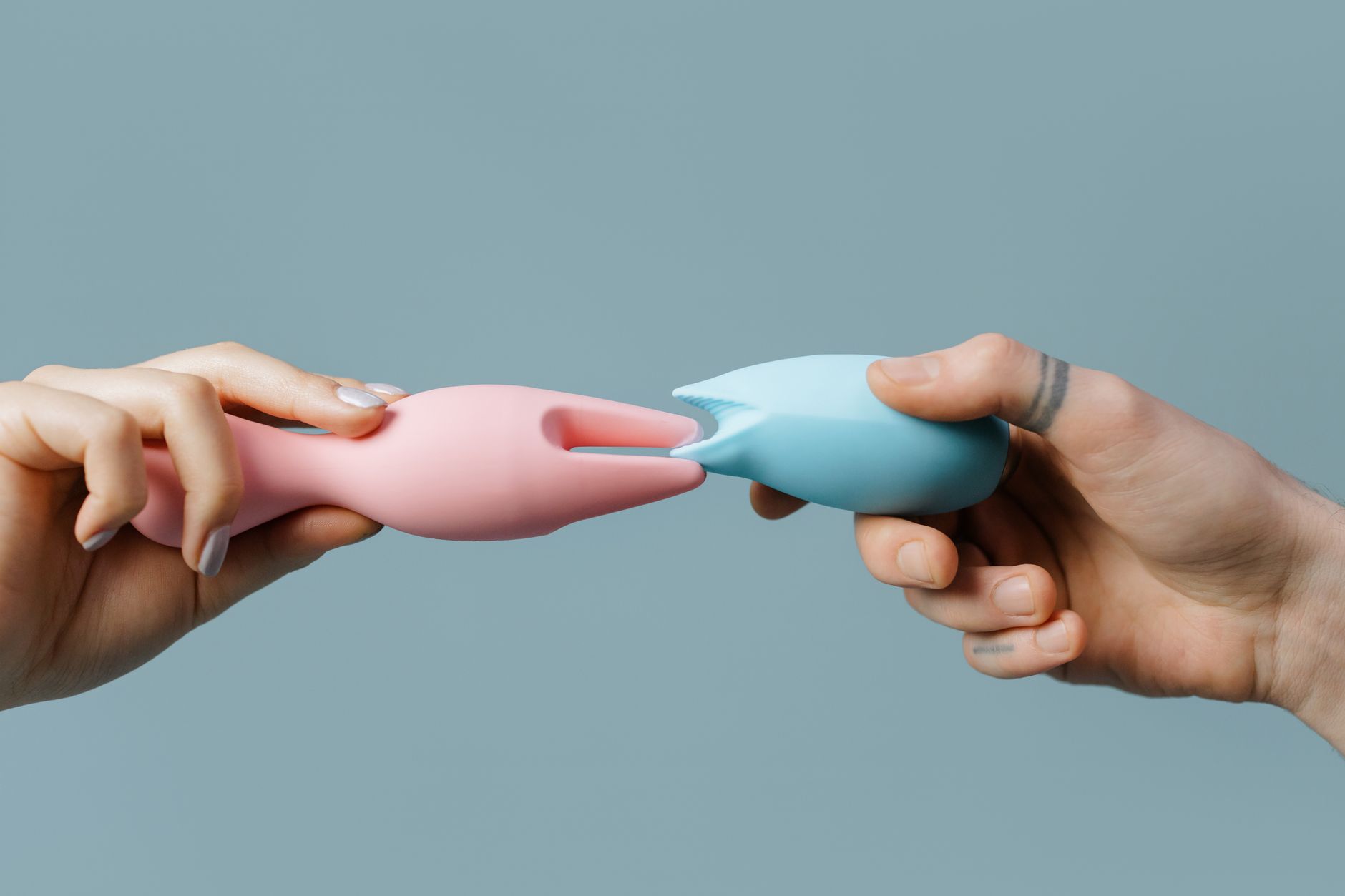
The toy itself is almost irrelevant at this stage. What matters is that you're saying: "I want to explore what feels good with you." The Lem vibrator, because it's external and less invasive-feeling than penetrative toys, is often the easiest entry point for nervous couples.
The conversation script that actually works
Here's what doesn't work: "I think we should use toys because I haven't been finishing." That's a problem statement. Here's what does: "I've been thinking about what would feel amazing for both of us, and I found this thing I want to try together."
Notice the difference? One is about a deficit. The other is about expansion.
If your partner asks why, have an honest answer ready. "I've always been curious about them" or "I read that clitoral vibrators can help with sensation when we're stressed" or even "I just think it could be fun to explore together." Don't over-explain. Over-explaining signals shame, and shame is contagious.
If your partner seems hesitant, ask why. Listen without defending. Common worries:
- "It'll replace me." Respond: "That's not how this works. This is about us, not instead of us."
- "I don't know how to use it." Respond: "Neither do I yet. That's the fun part. We'll figure it out together."
- "It feels emasculating." Respond: "Your pleasure matters to me as much as mine does. I want to explore what makes us both feel best."
Then drop it. Seriously. Let them sit with it. Sometimes the best conversations happen three days later when they've had time to think.
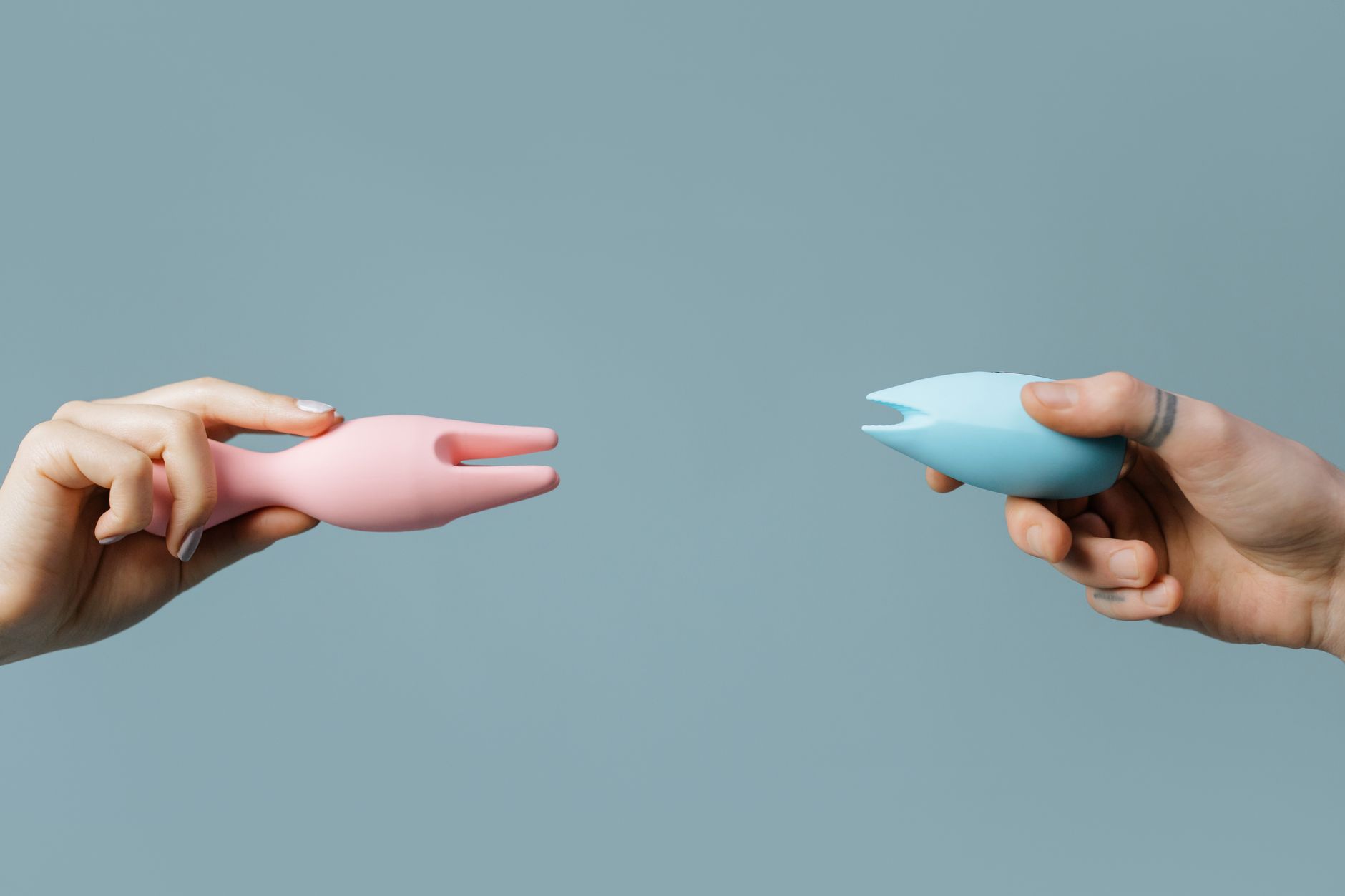
Photo by cottonbro studio on Pexels
Why the Lem vibrator changes the dynamic
This is important: the shape and function of a clitoral vibrator like the Lem matters for nervous couples. It's designed for external pleasure only, which removes the "penetration" anxiety that some partners carry. It looks sleek, not intimidating. And because it works through suction and patterns rather than raw vibration, it's easier to use together.
The practical upside for you: it requires less setup, less explanation, and less performative comfort-seeking from your partner. You hand it over. They see it works. Fear goes down.
The first time using it together
Don't make a production of it. "Okay, let's do this" energy kills the moment. Instead, build it naturally into foreplay. You're already intimate. You're already touching. At some point, hand it to them and guide their hand. "Here, try this. I want to see what you'd do."
This is brilliant for three reasons:
- You're putting them in control, which addresses the "replacing me" fear immediately.
- You're expressing desire in real time, which feels incredible for them.
- You're not directing their movements, which means they feel like they're discovering something together with you, not following a manual.
Don't expect transcendence the first time. Honestly, the first time often feels a bit awkward or technical. That's fine. You're building a new skill together, and skills require practice.
What matters is that neither of you is pretending. You're both present. You're both curious. If something doesn't feel right, you stop and laugh and try something else. That's the whole point.
When your partner wants to use it on you
This is where the vulnerability deepens. Being on the receiving end while someone watches you respond is intense. It means they see your pleasure unmask. Some people find that terrifying.
If this moment arrives, here's what helps: narrate what's happening. Not in a performative way, but in a real way. "That feels incredible." "A little slower, yeah." "Right there." This does two things. First, it keeps them engaged and present instead of wondering if they're doing it right. Second, it gives your body permission to respond without self-consciousness.
Your partner gets to be the witness to your pleasure, not the architect of it. That's a fundamentally different dynamic than they've probably experienced, and it often makes them feel more present and connected.
The mental game when self-consciousness creeps in
It will. You'll be in the moment and suddenly think: "What if I look weird right now?" or "Are they judging my body?" That's your nervous system trying to protect you from vulnerability.
Here's what I tell my clients: that thought is a sign you're doing something brave, not that something is wrong. Pause if you need to. Take a breath. Reconnect with your partner's eyes or touch. Then continue.
If you genuinely can't get past it, that's also fine. Stop. Talk about it. Sometimes the barrier isn't about the toy. It's about deeper insecurity in the relationship, and that's a conversation for a different time.
After it happens: the conversation
Don't skip this. Ten minutes after, when you're still close, ask: "What did you think?" and then actually listen. Not to confirm they loved it, but to understand their actual experience. Maybe they felt shy. Maybe they loved having permission to touch you differently. Maybe they want to try it again tomorrow.
This conversation normalizes toys as something you talk about, not something you did that one weird time. It also tells your partner that their experience matters, not just the outcome.
When your partner suggests toys first
If they bring it up, you've just won the nervousness lottery. They're the vulnerable one now. Respond with curiosity, not defensiveness. "What made you think of that?" or "I'm interested. Tell me more." This is your chance to build trust by being the secure one in the room.
Using a lemon vibrator or other clitoral vibrator together becomes a conversation about what you both want, not what either of you is lacking. That's the whole game.
How to move forward if they said no
Sometimes the answer is no. Not yet. Not now. That's bearable. What's not bearable is bringing it up again and again, hoping they'll change their mind. You won't. You'll just plant resentment.
Here's the hard part: you have to actually accept the no. Not grudgingly. Actually. Then, months later, you can revisit it. "I know you weren't ready before. I'm still interested. Can we talk about what the hesitation was?"
Often, people need time to sit with an idea. Sometimes they need to feel more secure in the relationship first. Sometimes they discover on their own that toys are normal and come back ready. And sometimes, they're genuinely not interested, and you get to decide if that's a dealbreaker for you.
Why Nancy Lems products work for nervous couples
The lemon vibrator design is intentionally non-threatening. It's not phallic. It doesn't require penetration. It's intuitive enough that your partner can figure out how to use it without feeling like they're reading an instruction manual during sex. That matters more than you'd think when you're already feeling vulnerable.
If using a clitoral vibrator when you prefer external stimulation is already something you know about yourself, leading with that specificity in the conversation actually helps. It's not "I want toys." It's "I want this specific type of stimulation, and here's why."
The bigger picture
Introducing toys to a new relationship is one of the earliest vulnerability tests. It's saying: "I know what pleasure looks like for me, and I trust you enough to let you be part of discovering it." That's not selfish. That's courageous.
Most couples who navigate this conversation well report that it opens something up between them. Not just sexually, but emotionally. You've proven you can be awkward together and survive it. You've both been seen and accepted anyway. That's the foundation everything else is built on.
Start the conversation. Handle the no if it comes. Celebrate the yes. And remember: the nervous feeling doesn't mean something's wrong. It means something real is happening.
People also ask
How do I bring up toys without making my partner feel insecure?
Frame it as addition, not substitution. Say something like: "I've been thinking about how we could explore what feels best for both of us," rather than "We need toys because sex isn't working." The first invites them in. The second puts them on defense. Also, timing matters. Don't bring it up mid-conflict or when you're both stressed. Pick a moment when you're feeling close and playful.
What if my partner thinks toys are weird or wrong?
That's often rooted in how they were raised or previous relationship experiences. Ask them what specifically concerns them, then listen without trying to convince them immediately. Sometimes people need to hear that toys are normal from sources outside the relationship (articles, therapists, friends) before they're ready. You can't logic someone out of shame. You can only be patient while they work through it.
Should I use the lemon vibrator during penetration or only externally?
The design of clitoral vibrators like the Lem is optimized for external stimulation. You can certainly incorporate it during partnered sex, but it's most effective as a standalone pleasure tool or during foreplay. If you're using it while your partner is inside you, the external focus works beautifully for people who need clitoral stimulation to climax during penetration. Let sensation guide you, not a formula.
How often should we use toys once we start?
There's no rule. Some couples use them every time. Some use them once a week. Some use them rarely. What matters is that you both feel good about the frequency. If one person wants them every time and the other feels pressured, that's a conversation. If one person isn't interested and the other is, that's also a conversation. The toy isn't the issue. The mismatch in desire is.
What if I feel self-conscious when my partner watches me with the vibrator?
That's vulnerability, and it's normal. Start by keeping the lights a bit dim if that helps. Focus on your own pleasure first, not on their reaction. Sometimes closing your eyes helps. And remember: if they chose to be with you, they already think you're worth watching. Your nervousness is about your own shame, not about their judgment. Breathe through it. It gets easier.
Is using toys a sign that our sex life needs help?
Not at all. Toys are exploration. They're curiosity. Plenty of couples with phenomenal sex lives never use toys, and plenty of couples with mediocre sex lives use them all the time. What matters is that you're communicating about pleasure and you both feel respected. The toy is just a tool. The connection is what matters.
If you're feeling stuck on the conversation itself, check out how to use a lemon vibrator when your partner feels intimidated by toys for deeper guidance on addressing specific worries. And if you're rebuilding desire after hormonal shifts, this post on using a clitoral vibrator while managing hormonal changes covers that territory.
You're doing the brave thing. That's worth honoring.