
When stress kills the spark
Relationship conflict has a way of making your body forget how to feel good. It's not just emotional distance. Stress triggers your nervous system's threat response, which literally suppresses arousal. Your body stops prioritizing pleasure when it's in survival mode.
That's the hard part nobody talks about: after a fight, after weeks of tension, after you've finally had the conversation and things feel a little better, your body might still be offline. You want to reconnect. Your partner wants to reconnect. But desire feels gone, replaced by numbness or performance anxiety.
This is where a lot of couples get stuck. They think they need more romance, more communication, or more patience. Sometimes they do. But often what's actually missing is a pathway back to sensation. Your body needs permission to feel good again, separate from the relationship's emotional arc.
How pleasure heals the nervous system
Here's the science: stress dysregulates your autonomic nervous system. You're living in the "fight or flight" state, where cortisol and adrenaline run high. Pleasure reverses that. Orgasm, especially, triggers what neurobiologists call the parasympathetic response. Your heart rate drops. Your muscles relax. Your brain releases a cascade of neurotransmitters that basically tell your body "we're safe again."
But here's the thing: that healing doesn't have to include your partner, at least not at first.
I work with couples who've had serious ruptures. One of the most effective tools I recommend is solo pleasure work before partnered pleasure. Not as a workaround or consolation. But as genuine nervous system repair. When you're rebuilding after conflict, your own orgasm is medicine.
Lemon clitoral vibrators are particularly effective for this because they're intuitive. You don't need to figure out rhythm or pressure. The suction pattern does the work. Your brain can focus on sensation instead of mechanics or performance.
Why solo first, partnered second
When you've been in conflict, partnered sex often carries a subtext of apology or reconciliation. That's a lot of emotional labor. Your body feels that weight. You might orgasm, but it's colored by the relationship dynamics, not pure sensation.
Solo exploration with a lemon vibrator gives you three things:
1. No audience anxiety. You're not monitoring your partner's reaction or wondering if you're doing this right. Your only job is to feel.
2. Nervous system recalibration. You're teaching your body that it's safe to experience pleasure again. That information travels from your body back to your brain, and it's foundational.
3. Ownership of your desire. Couples often fall into the pattern where sex becomes something that "fixes" the relationship. That's too much weight. When you explore solo, you're claiming your pleasure as yours, not as a vehicle for reconciliation.
Start here. Give yourself permission. Use a lemon vibrator on your own terms, in your own timeline. Let your body remember what pleasure feels like without the backdrop of recent conflict.
The transition to partnered pleasure
Once you've spent time reconnecting with your own body, partnered pleasure becomes easier. Not because the conflict is forgotten, but because you've proven to your nervous system that pleasure is possible.
When you bring a lemon sucker into partnered play after rebuilding this way, it changes the dynamic. You're not asking your partner to generate your arousal. You're inviting them into something you've already started. That's less pressure. It's also hotter.
I often recommend starting by using your lemon vibrator while your partner is in the room but not directly involved. They might watch. They might touch you elsewhere. The point is they're present, but the pleasure is yours. This bridges the gap between solo and fully partnered play without the heaviness of "we're having makeup sex now."
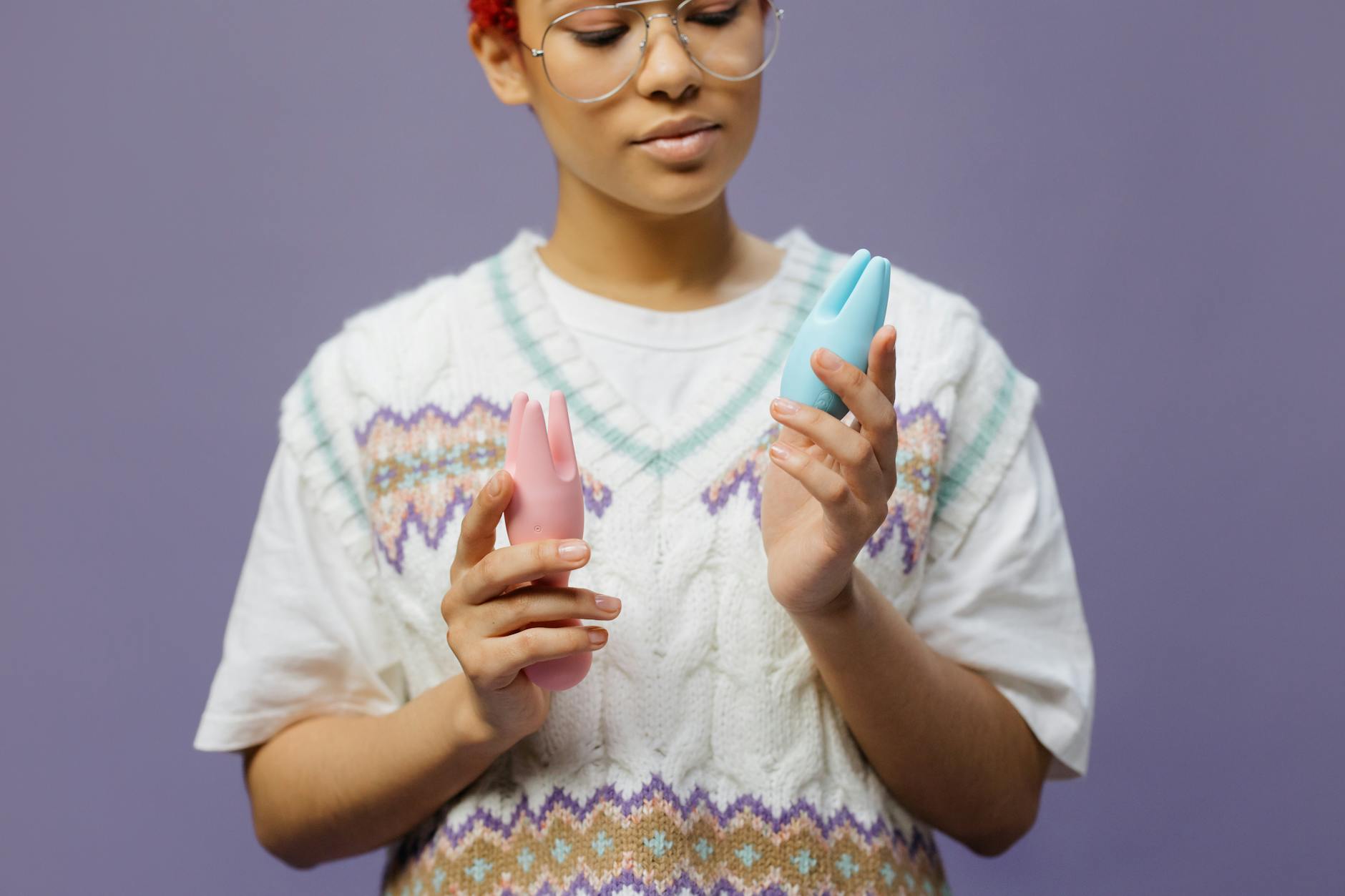
Photo by cottonbro studio on Pexels
Your partner might eventually use the lemon clitoral vibrator on you, or you might bring them into play with their own toy. The progression is organic. There's no script.
The emotional piece: what talking should cover
Pleasure doesn't repair emotional wounds. But it does create a window where repair becomes possible. Here's what I mean:
After you've both experienced pleasure again, separately and together, your nervous systems are calmer. You're not flooded with stress hormones. That's the moment to talk about what happened. Not during sex. Not as pillow talk. A separate conversation, in a calm setting, where you're both regulated enough to actually listen.
This conversation should cover:
- What each of you needs to feel safe again.
- Whether this conflict was a one-off or a pattern that needs addressing.
- What pleasure and intimacy actually mean to each of you separately.
- Whether you need help from a therapist.
Lemon vibrators aren't a substitute for that conversation. They're a way to get your bodies back online while you do the harder emotional work.
When pleasure brings up more conflict
Sometimes reconnecting physically reveals deeper incompatibilities. One partner wants more intimacy than the other. One partner feels resentful that sex is being used to smooth things over. One partner realizes they've been suppressing desire for longer than they thought.
That's okay. That's actually useful information. It means you're moving toward honesty instead of staying stuck in the pattern.
If that happens, that's when you consider working with a professional. Not because something is wrong with your relationship, but because navigating pleasure after conflict is complex emotional territory. A therapist trained in couples work can help you sort what's recoverable from what's not.
Building resilience for the next conflict
Conflict will happen again. That's not pessimism. That's just how human relationships work. But if you've rebuilt intimacy once using this approach, you know the pathway. You don't have to go as far into emotional distance the next time.
Some of my couples tell me they actually use lemon vibrators proactively during stressful periods, before major conflict even arrives. It keeps their nervous systems regulated and their connection steady. That's preventive pleasure work, and it's legit.
The lemon suction toys from Hello Nancy are particularly good for this because they're low-friction emotionally. No performance expectations. No complicated mechanics. Just direct, intuitive sensation that your body immediately understands.
FAQ: Rebuilding intimacy with pleasure
Can using a lemon vibrator alone actually help a struggling relationship?
Not by itself, no. But yes, if it's part of a broader effort to rebuild connection. Solo pleasure resets your nervous system, which makes you more capable of emotional work. That emotional work is what actually heals the relationship. The vibrator is the bridge, not the destination.
How long should I wait after a major fight before exploring pleasure again?
There's no universal timeline, but I usually suggest at least a few days of relative calm. You want your nervous system to be out of acute crisis mode. You don't need full reconciliation. You just need enough safety to breathe. That might be three days or three weeks, depending on the severity.
What if my partner feels threatened by me using a vibrator to reconnect?
That's worth a separate conversation, ideally not during conflict. Some partners feel insecure about toys, especially if intimacy has already suffered. Be clear that you're not replacing them. You're making space for your own pleasure as part of rebuilding connection. If they remain threatened after that conversation, that's a signal you might need couples therapy to work through the insecurity.
Should I let my partner use the lemon vibrator on me, or should it stay solo?
That's entirely up to you. Some people prefer to keep solo pleasure completely separate. Others find it hot to have a partner involved. There's no right answer. What matters is that you're comfortable and that you've consented explicitly.
Is it weird to use a vibrator while your partner watches?
Not at all. It's actually incredibly common, and many couples find it builds intimacy faster than traditional sex after conflict. You're being vulnerable. You're sharing your pleasure. Your partner gets to witness something private. That's connecting.
How do I clean a lemon clitoral vibrator after use?
Wash it with warm water and a bit of mild soap, then dry it thoroughly. If it's silicone or other body-safe material, you can also use a toy cleaner designed for that material type. Always check the manufacturer's instructions. Taking care of your toy is part of honoring the practice.
The bottom line
Relationship conflict doesn't have to mean you lose pleasure. But rebuilding it takes intentionality. Solo exploration with a lemon vibrator gives your nervous system permission to feel good again, separate from the relationship's emotional arc. That healing then makes reconnection with your partner actually possible, not just going through the motions.
Start there. Give yourself time. Let your body lead. Everything else follows.