The biggest mistake people make with lemon vibrators
They start at pattern 5.
Most people with a new clitoral vibrator assume intensity works like volume on a speaker. More equals better. So they skip the first few settings entirely and jump straight to the climax. Then they're baffled when the sensation feels numb, or jarring, or like their body has checked out.
Here's what's actually happening. Your nerves don't care about raw power. They care about contrast. A lemon clitoral vibrator's suction patterns work because they create a wave of sensation. If you're skipping to the heavy stuff, you're erasing the wave and just hammering.
How suction sensation actually builds
Let me back up. Unlike vibration (which is basically buzzing), suction creates a rhythmic pull and release. The lemon vibrator uses eight different intensity levels, each one changing both the strength of the suction and the timing between pulses.
When you start low, your clitoris is learning the pattern. Your nervous system is mapping the sensation. By pattern 2 or 3, you've already got full engorgement happening. The tissue is flushed, the nerves are awake, and you're genuinely more responsive than you'd be at full power.
I think of it like this. A musician doesn't start a concert at full volume. The opening sets the stage. The body needs the same pacing.
Why "too intense" usually means "wrong starting point"
When someone tells me a lemon suction toy feels too strong, I ask one question: what pattern did you start on?
Almost every time, the answer is 4 or higher.
The problem isn't the toy. It's that your clitoris was unprepared. Imagine someone grabbing your arm without warning versus someone gradually increasing grip strength. Same endpoint, radically different sensation.
Starting on pattern 1 for 3-5 minutes does something important. It lets your body calibrate. You're not reaching for orgasm. You're getting familiar. By the time you move to pattern 3, intensity feels different because your nervous system has a baseline.

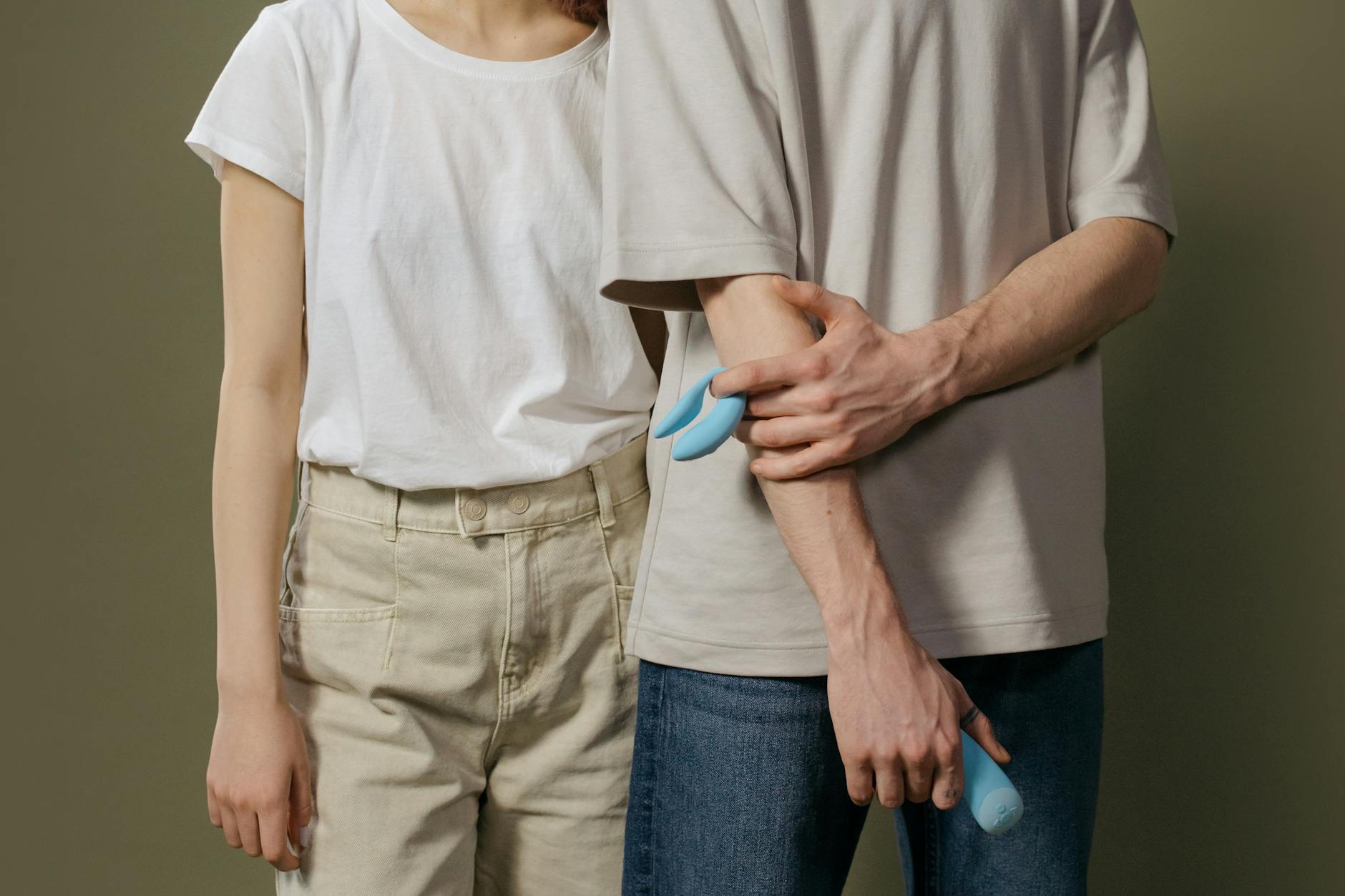
Photo by Olga Lioncat on Pexels
The actual pattern progression that works
Here's the roadmap I give clients.
Patterns 1-2 (exploration phase). Spend 5 minutes here minimum. Your only job is to notice. How does the suction feel on different parts of the clitoris? Does off-center feel better than direct? Are you getting more responsive? This is not boring. This is you learning your body.
Patterns 3-4 (building arousal). You can feel increased engorgement now. The patterns are starting to create rhythm. Stay here for another 5-10 minutes depending on your baseline. Some people get close to orgasm at pattern 4. For others, it's just steady building. Both are fine.
Patterns 5-6 (intensity threshold). This is where intensity shifts noticeably. If you jump here from pattern 1, it'll feel jarring. If you climbed the ladder, it feels like a natural escalation. Most people find their sweet spot somewhere in this range.
Patterns 7-8 (going all in). Honestly, a lot of people don't need these. Orgasms at pattern 5 can be just as intense as pattern 8. The difference is often subtlety, not power. Try them once you've mapped 1-6, but don't feel obligated to live there.
The surprise: lower intensity often produces longer orgasms
One of the counterintuitive things I've noticed is that people who start slow often experience more endurance in their pleasure.
Here's why. High intensity from the start can feel like a sprint. Your body races to the finish line. But when you build gradually, your arousal is distributed across more time and more neural pathways. That often translates to orgasms that last longer and have more texture to them.
I've had clients report 45-second orgasms (which is genuinely exceptional) by starting at pattern 2 and staying there for 12-15 minutes before ever moving up. That sustained engagement creates something different than a quick peak.
What to do if you mess up and go too hard too fast
It happens. You try pattern 6 immediately and now your clitoris feels kind of numb for the next 10 minutes.
Stop. Take a break. Drink water. Do something completely non-sexual for 5-10 minutes. Your tissue needs to return to baseline.
When you come back, start at pattern 1 and move up more gradually. You haven't broken anything. You've just reminded yourself why the slow climb matters.
Also: if you find yourself needing pattern 8 every single time, that's a sign you might want to extend your exploration phase. Desensitization is real, and it happens fastest when you skip the groundwork. Dropping back to patterns 1-4 for a few sessions can actually reset your responsiveness.
Common questions about lemon vibrator intensity
Should intensity feel the same for everyone?
Absolutely not. Baseline sensitivity varies wildly. Someone with lower clitoral sensitivity might find pattern 3 perfect. Someone else could spend weeks exploring patterns 1-2 and still find them satisfying. There's no "wrong" level. The only wrong move is assuming your experience should match someone else's.
Can you overuse the lower patterns?
No. In fact, spending two weeks exclusively on patterns 1-3 is genuinely helpful. You're building familiarity without chasing intensity. This is especially true if you're nervous about your first toy or coming back after time away.
What if lower patterns don't do anything for you?
Then you might need more warm-up time, not more intensity. Spend 15-20 minutes on pattern 2 before evaluating whether you need pattern 4. Also consider that hormonal shifts affect responsiveness. Your sensitivity might genuinely be lower at certain times in your cycle.
Is it normal to plateau at one pattern?
Very. A lot of people find their optimal pattern and never leave it. That's not a sign you need something stronger. That's a sign you've found what your body actually wants. Stick with it.
How long does it take to "work up" to higher patterns?
There's no timeline. Some people move from pattern 1 to pattern 4 over three sessions. Others spend a month exploring patterns 2-3. Both timelines are healthy. You're not training for a marathon. You're learning what feels good.
What if my partner wants me to use a higher pattern?
Your pleasure is not a performance. If pattern 3 feels best, use pattern 3. The goal is your actual sensation, not what looks more intense or impressive. A partner who pushes for higher settings isn't supporting your pleasure. They're supporting their idea of what pleasure should look like.
The real secret: intensity is a landscape, not a destination
Here's what happens when you slow down and build gradually with your lemon clitoral vibrator. You stop thinking of intensity as something to conquer. Instead, you notice that each pattern has its own texture. Pattern 2 might feel like long, rolling waves. Pattern 4 might feel more concentrated. Pattern 6 might feel sharp and focused.
You're not "working up" to better. You're exploring different territories. Some days pattern 3 is exactly right. Other days you want to camp at pattern 5. Both are perfect.
This is especially true with lemon suction toys, which by design create gentler sensation than traditional vibration. You have more granular control. Use it.
Start low. Stay curious. Let your body show you what matters. And remember: the best pattern is always the one that makes you feel most like yourself.
Want more guidance on using your toy the right way?
If you're still figuring out your setup, check out our lemon vibrator intensity settings guide for deeper pattern breakdowns. And if intensity questions are tied to sensitivity issues, our piece on using lemon vibrators when you have little to no sensation walks through medical and technique solutions together.
Your pleasure deserves attention. The slowest path forward is often the fastest one.