
Let's name the actual problem
Mismatched desire is one of the most common reasons couples stop touching each other. One partner initiates more. The other feels pressured. Rejection accumulates. Resentment sets in. Within a couple of years, you're sleeping in the same bed like roommates, and neither of you knows how to fix it without someone feeling guilty.
Here's what I see in my practice: couples assume the solution is to "meet in the middle," which usually means the higher-desire partner gets less than they want, and the lower-desire partner feels obligated. Everyone loses.
A lemon vibrator doesn't solve mismatched desire. But it can completely change the geometry of the problem.
Why desire mismatch gets worse over time
When one partner wants sex more frequently, a few things happen in sequence. The higher-desire partner starts to feel rejected. They stop initiating because it hurts. The lower-desire partner, relieved of the pressure, paradoxically wants it even less because there's no chase, no mutual anticipation. Sex becomes what one person wants to do to the other. It stops being something you do together.
Meanwhile, the higher-desire partner is often managing their own pleasure solo. Quietly. With growing loneliness. They're not feeling rejected by sex itself. They're feeling rejected by their partner.
This is where lemon clitoral vibrators enter the picture, not as a substitute for partnered sex, but as a way to recalibrate what intimacy actually means in your relationship.
How a lemon vibrator changes the conversation
Introducing a sex toy when desire is mismatched works best when you reframe it as a tool for connection, not a replacement. Here's the shift: instead of "I want to have sex and you don't," it becomes "I want us to feel close, and I've found something that helps me get there faster so we can meet."
For the lower-desire partner, a lemon vibrator can actually reduce performance pressure. When they're not responsible for being your entire arousal engine, sex becomes less of a chore. They can focus on intimacy, kissing, touching, presence. A clitoral vibrator handles the heavy lifting of stimulation, which means they get to participate in a way that feels good rather than obligatory.
For the higher-desire partner, using a lemon sexual toy alongside your partner creates mutual participation. You're both present, both engaged, both moving toward pleasure. That's radically different from solo masturbation, even though penetration might not be the focus.
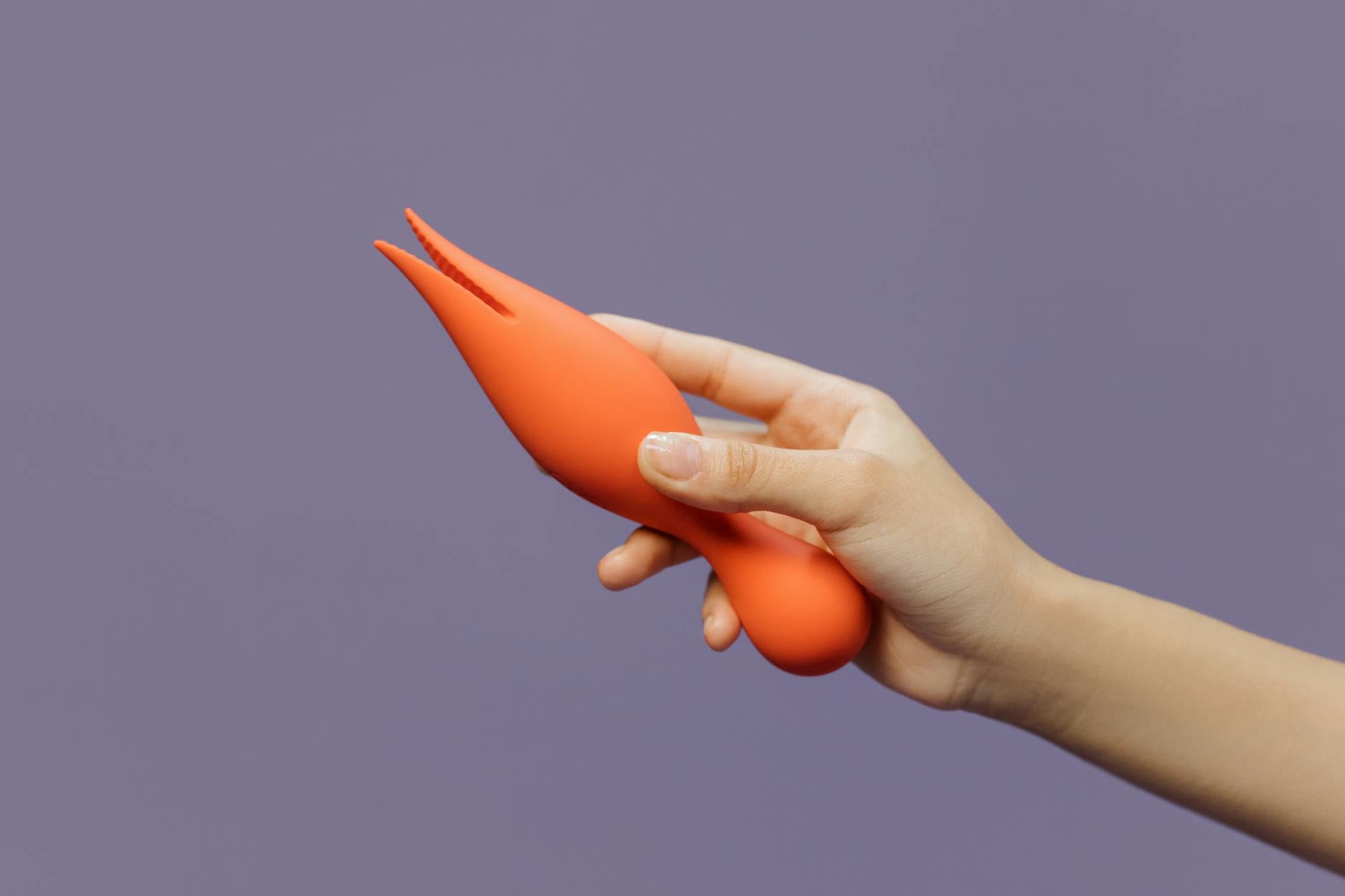
Photo by cottonbro studio on Pexels
Three ways to introduce a lemon vibrator without triggering defensiveness
Timing is everything. Don't bring up a sex toy during a conversation about your mismatched desire levels. That feels like an accusation. Instead, bring it up as a curiosity, separate from the larger conversation.
1. Frame it as about your own pleasure, not theirs. "I've been thinking about trying a lemon vibrator. I get there slower these days, and I'd rather be with you than waiting for my body to catch up." This is honest and focuses on your experience, not what they're doing wrong.
2. Suggest it as something you'd both enjoy exploring. "I found this thing that's supposed to be amazing. Want to try it together sometime? No pressure, just curious." Low stakes. Playful. Not a solution to a problem; a new thing to try.
3. Start small. You don't need a conversation about your entire sexual future. Just say "I want to try this when we're together next time. You cool with that?" Often the answer is yes simply because it seems fun and low-judgment.
What actually happens when you use a lemon vibrator together
Let's be specific. You're kissing. You're touching. At some point, one of you brings out the lemon clitoral vibrator. The person with the vulva uses it while the other partner is present, touching, kissing, engaging. This is the key part. They're not sitting aside. They're participating.
What changes: the lower-desire partner often finds that they actually enjoy sex more when the pressure to perform is off. They can be present instead of worried about timing or technique. The higher-desire partner gets faster arousal and deeper orgasms, which means the whole encounter is less about endurance and more about actual connection.
Most importantly, you're in the same room, on the same team, moving toward the same goal. That's intimacy even if it doesn't look like your first year together.
The honest conversation you still need to have
A lemon vibrator isn't a workaround for the deeper issue: you and your partner want different things sexually. That needs acknowledging. But here's what I've learned from working with couples in this exact situation: the thing you actually need isn't necessarily more frequent sex. You need to feel wanted. You need to feel like your partner is willing to meet you somewhere.
Using a clitoral vibrator together signals that willingness. It says "I care about your pleasure enough to try something new." It says "Let's figure this out together instead of silently resenting each other."
The conversation about desire mismatch still needs to happen. Talk about what you each actually need. Maybe that's twice a week instead of three times. Maybe it's a standing date night so there's anticipation. Maybe it's permission for the higher-desire partner to have solo time without shame. These aren't small conversations. But they're possible when you're not locked in a cycle of rejection and obligation.
When to use a lemon vibrator and when to get help
If desire mismatch is paired with contempt, criticism, or stone-walling, a toy won't fix that. You need a couples therapist, ideally one trained in the Gottman Method, who understands that sexual disconnection is a symptom of deeper relationship patterns.
But if the issue is purely mismatched frequency and you both still want to stay connected, a lemon clitoral vibrator can genuinely help. It's not magic. It's not a substitute for the real work. But it's a concrete way to say "I want us to figure this out," and sometimes that's where reconnection starts.
Introduce it gently. Use it together. Don't make it weird by treating it like a last resort. Treat it like what it is: a tool that helps two people who love each other feel good at the same time.
FAQ
Will using a vibrator make my partner feel like I don't want them?
Not if you frame it correctly. The key is presenting it as something you want to do together, not instead of them. A lemon vibrator makes you available for partnered sex more often, not less. The goal is connection, not replacement.
What if my partner thinks vibrators are weird or unnatural?
Most people think that until they've actually tried one. Start the conversation with curiosity, not salesmanship. "I read something interesting about this, want to try it?" is different from "We need to fix our sex life with this toy." Let them come around on their own time. If they're genuinely opposed, that's worth exploring separately.
How do I use a lemon vibrator if my partner isn't interested in participating?
That's a different problem and worth a separate conversation. If they don't want to be present while you use one, that signals something about how they feel about your sexuality, and that's worth addressing with professional help. Healthy partners want their partners to feel good.
Should we use a lemon vibrator instead of having penetrative sex?
No. Use it as part of your sex life, not instead of it. A clitoral vibrator can actually make penetrative sex more enjoyable because you're more aroused and more relaxed. They work together, not against each other.
What if one of us gets addicted to the vibrator and doesn't want partnered sex anymore?
This is rare, and usually what's actually happening is that one person was already experiencing pleasure gaps that weren't being addressed. If a lemon vibrator highlights that, that's useful information for your relationship. It means you need to talk about what's actually missing, not blame the toy.
How do I know which lemon vibrator to try first?
Start with something versatile. The Lem is designed to work for most bodies and doesn't require you to figure out intensity levels on day one. You can always explore different options after the first time.
The real outcome
I've worked with countless couples who felt stuck by mismatched desire. The ones who actually reconnected weren't the ones who forced themselves to have more sex. They were the ones who found ways to enjoy sex that worked for both of them. Sometimes that meant scheduling. Sometimes it meant communication tools. And sometimes it meant introducing a tool like a lemon clitoral vibrator that made pleasure accessible for everyone, instead of a source of shame or resentment.
Your desire mismatch is real. It's also common, and it's fixable. A vibrator isn't the fix. But it can be the thing that lets you have the harder conversation with kindness instead of defensiveness. And that's where healing starts.