Let's talk about the part nobody mentions
You've finished pelvic floor physical therapy. No more internal exercises, no more weekly appointments, no more concentrated attention on muscles you didn't even know you had. But now there's a gap. Your therapist talked about returning to normal activities. They didn't talk about returning to pleasure.
Here's the thing: pelvic floor rehab is wildly successful at what it does. It retrains your muscles, reduces pain, and rebuilds stability. But that success doesn't automatically translate to "you're ready for everything now." Your nervous system has been operating in recovery mode. Your pelvic floor has learned a specific kind of control. And your brain still remembers the pain that started this whole journey.
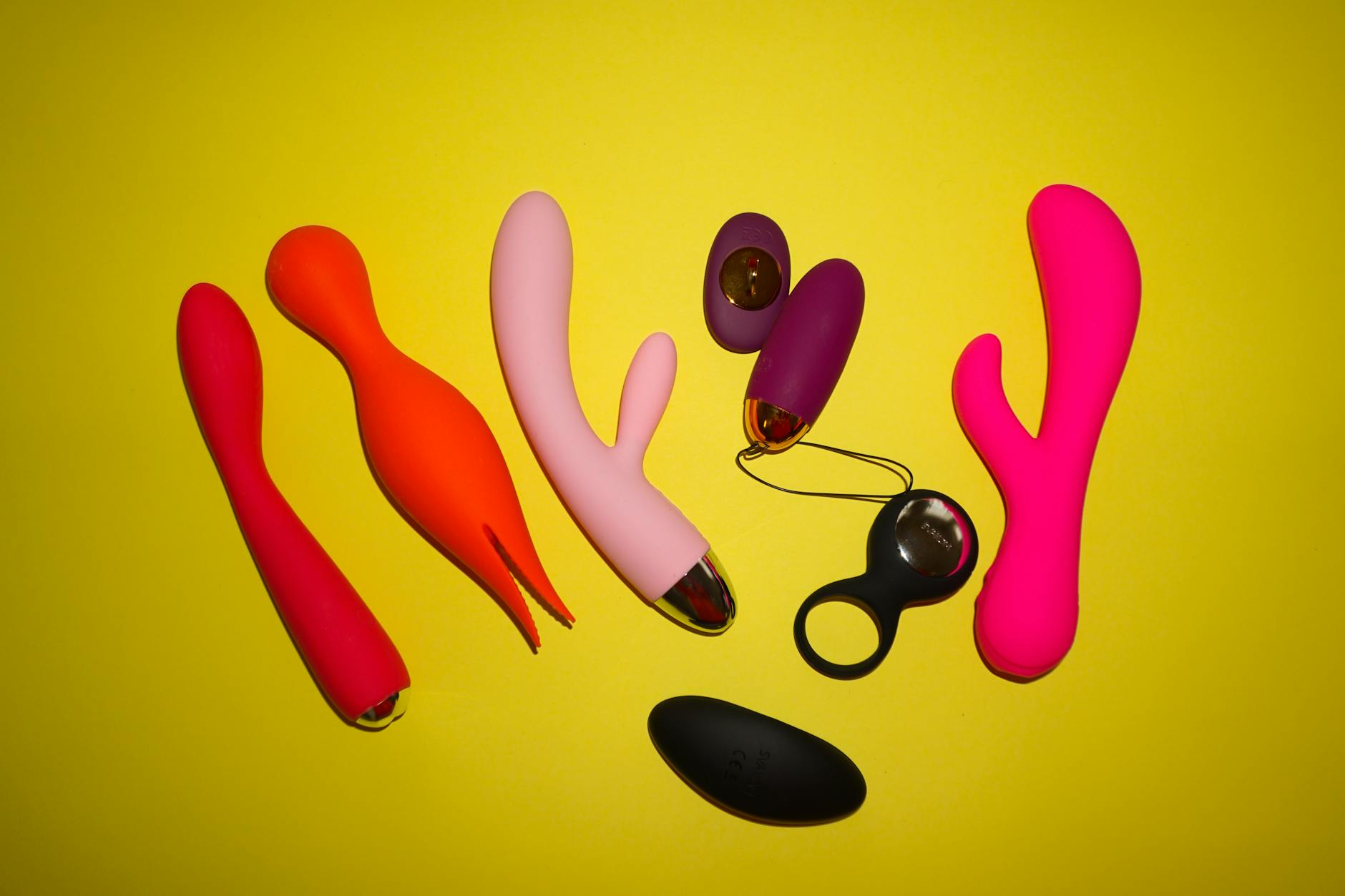
Reintroducing a lemon clitoral vibrator is actually a smart, specific way to ease back in. But it has to be done right.
Why vibration is different from other stimulation
During pelvic floor physical therapy, you learned the difference between tension and relaxation. You practiced conscious control. When you use a traditional vibrator, you're introducing a lot of sensation very quickly. Your pelvic floor, which has spent weeks learning to engage and release at precise moments, suddenly has to decide what to do when it feels a continuous buzz.
That's not a problem. It's just information.
The Lem and other clitoral vibrators use suction and gentle pulsing rather than traditional vibration. This matters for post-PT bodies because suction engages the tissue without the same mechanical pressure that can trigger the protective responses your pelvic floor learned during pain. It's gentler feedback for a nervous system that's still recalibrating.
Many people come out of pelvic floor therapy with increased sensitivity in the clitoris. You've been focusing so intently on internal sensation that the external nerves sometimes feel like they're waking up. That heightened awareness is normal. It doesn't mean you're broken. It means you're paying attention.
The timeline: When is it actually safe to start
Your PT probably gave you a rough timeline: light activity at week X, normal activity at week Y. Pelvic floor recovery typically follows this pattern.
Week one to three after your last PT session: You're still in the stabilization phase. Rest. Let the nervous system settle. Don't introduce vibration yet.
Week four to six: Light exploration is fine. This means manual stimulation without toys, alone, with time and attention. No rushing. If there's any sensation of returning pain or tension, you pause.
Week six onward: Gentle reintroduction of external toys. Start with the lowest settings, shortest sessions, and plenty of breaks.
This timeline assumes you've completed your PT course without ongoing pain and with your therapist's clearance. If you're still having occasional discomfort, ask before you proceed. Your therapist knows your specific case.
How to actually use a lemon vibrator post-PT
Four specific practices that make this work.
Start in the easiest position for your body. Lying on your back, legs slightly apart. No pressure on the pelvic floor. Some people prefer lying on their side. The key is that your pelvic floor muscles are in a neutral, relaxed state before you start anything.
Use external stimulation only. This is not the time to experiment with internal options. You're retraining your pelvic floor to respond to sensation without tensing. Internal stimulation can trigger protective clenching because it feels like activity happening "in" the area your body was protecting. Stay external, stay focused on the clitoris.
Start at the lowest intensity and slowest pattern. If your Lem has pattern options, begin at pattern one. If it has intensity settings, begin at the lowest. Spend five minutes here, alone, learning what the sensation feels like in your nervous system. No goal beyond noticing.
Use water-based lubricant. Post-PT tissue can be slightly more sensitive. A good quality water-based lubricant (not silicone; that can damage the toy) adds a buffer layer and makes the experience more comfortable. It also signals to your nervous system "this is care, not therapy."
What you might feel (and what's normal)
The first few times, expect some surprises.
A sense of pressure in your pelvic floor even though the vibrator is external. That's your nervous system still processing stimulation near the area it was protecting. It usually passes within thirty seconds to a minute. If it doesn't, stop. Try again in a few days.
Clitoral sensation that feels more intense than you remember. Your retraining has heightened awareness. This is common and usually normalizes in the first few weeks.
The urge to clench your pelvic floor muscles. This is your body's old protective reflex trying to engage. Notice it without judgment. Breathe. Let it release. Then continue. You're essentially showing your nervous system that sensation near the pelvic floor can be safe and pleasurable.
A sense of disconnection or numbness. This can happen if you've been in pain or tension for a long time. Your nervous system is learning to feel again. It takes time. Consistent gentle stimulation helps.
None of these sensations mean something has gone wrong. They mean your body is recalibrating.
Building up gradually (the boring but essential part)
Here's the rhythm that works:
Week one of use: Five minutes, one to two times per week, lowest settings.
Week two to three: Seven to ten minutes, two to three times per week, still lowest settings.
Week three to four: Consider moving to pattern two if pattern one feels like a whisper. Keep sessions under fifteen minutes.
Week four onward: Gradual increases in intensity and duration based on how your body feels.
If at any point you feel pain that's different from the original pain (sharper, shooting, different location), you stop and check in with your PT. Not because something has gone catastrophically wrong, but because your body is telling you to slow down.
The partner conversation (if you have one)
If you share a bed with someone, they need to understand what's happening. Not because they need to facilitate it, but because partnered sex might feel different right now and they should know why.
Your pelvic floor is still learning. It might engage more than you'd like during partnered intimacy. You might need more warm-up time. You might need to pause and breathe during sex because your nervous system is still processing sensations.
This is temporary. But transparency about the retraining phase actually strengthens intimacy because it removes the guessing game. Instead of your partner wondering "is something wrong," you're saying "I'm rebuilding something. Here's what helps."
When to bring it back to partnered sex
Solo use of a lemon clitoral vibrator is usually safe by week six post-PT. Partnered sex is different because it adds variables your nervous system has to process simultaneously. Pressure, someone else's rhythm, penetration alongside external stimulation, the need to coordinate breathing and relaxation with another person's engagement.
Ask your PT specifically about partnered sex timing. Most will say week eight to ten is reasonable for many people, but the timeline depends on what your pelvic floor was treating.
When you do return to partnered intimacy, the skills you learned in PT matter. Breathing. Presence. The ability to notice when you're tensing and consciously release. Using the Lem or another external vibrator as part of partnered sex can actually help this because it removes the pressure to orgasm through penetration alone and lets your nervous system focus on sensation and relaxation.
The bigger picture (because this matters)
Pelvic floor physical therapy often comes after a season of pain or dysfunction. Using a lemon vibrator afterward isn't just about pleasure, though it is that. It's also about reclaiming your nervous system. Telling your body that this area is safe. That sensation here can feel good. That you deserve to experience pleasure without bracing for pain.
This takes time. Some people feel comfortable and confident in a few weeks. Others need two or three months. Both are normal. Your timeline is yours.
Reintroducing pleasure after pelvic floor therapy is not rushing recovery. It's completing it.
If you're working with a partner, this process strengthens connection. You're both learning what your body needs now. You're communicating explicitly. You're prioritizing sensation and relaxation together. That's actually the foundation of lasting intimacy.
FAQ: Your actual questions
Can I use a lemon sucker like the Lem right after finishing PT?
Not immediately. Most therapists recommend four to six weeks of stabilization before reintroducing vibration. The Lem specifically is gentle (suction rather than vibration), but your nervous system still needs time to adjust. Ask your PT for their specific timeline based on your case.
Will using a vibrator undo the work I did in physical therapy?
No. Gentle, gradual reintroduction of external stimulation won't undo your progress. What matters is that you're using it mindfully, starting low, and paying attention to your body's signals. You're not undoing work. You're expanding what your pelvic floor can do safely.
What if I feel pain when I use the lemon vibrator?
Stop immediately. Pain is information. It might be that you're starting too soon, using too high intensity, or your nervous system isn't ready. Give it another week or two and try again at lower intensity. If pain persists across multiple sessions, check in with your PT. They've seen your specific anatomy and patterns.
Can I use the vibrator internally after pelvic floor PT?
Assuming your PT cleared you for penetration, internal use is typically safe after external use has felt comfortable for a few weeks. But external clitoral stimulation is usually the better starting point because it's gentler on the pelvic floor muscles and doesn't trigger the same protective responses.
How do I know if I'm using it too much?
Your pelvic floor might feel fatigued, sore, or tight the next day. That's a sign to reduce frequency and duration. You shouldn't feel worse after self-pleasure. If you do, dial back.
Is it normal to feel disconnected or numb during stimulation after PT?
Very normal. Prolonged tension or pain can create sensory disconnection. Gentle, consistent stimulation helps rewire the connection between sensation and pleasure. It takes time. Keep going, gently.
What role should my partner play in my recovery?
Patience, curiosity, and communication. Your partner doesn't need to "fix" anything. They need to listen to what you need, respect your timeline, and show up with presence rather than pressure. Many couples find that slowing down and focusing on sensation during this phase actually deepens intimacy long term.
Your pelvic floor has done hard work. Now it gets to experience what it was built for: pleasure, presence, and connection. Take your time getting there.