The desire gap is not a character flaw
Let's start here: if one of you wants sex more than the other, you're not broken. You're normal. About 40 percent of couples report a significant mismatch in sexual desire, and it's rarely about love or attraction. It's often about stress, hormones, medication, past trauma, or plain neurobiological difference. Some people are wired with a lower baseline libido. That's not a diagnosis. It's just how they are.
The problem isn't the mismatch itself. The problem is pretending it doesn't exist, or worse, treating it like a secret shame. That's where resentment lives.
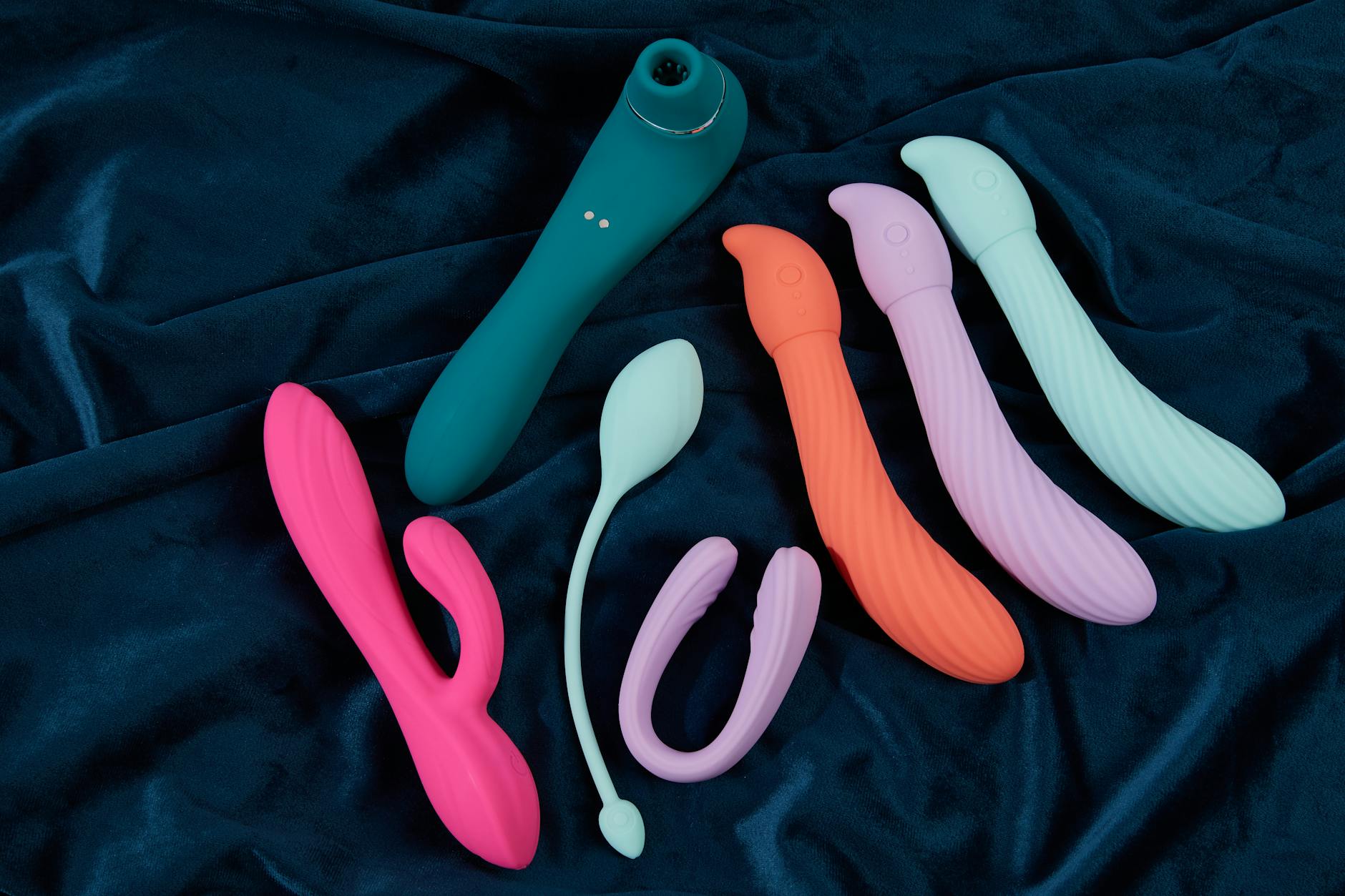
A lemon vibrator (also called a lem vibrator or lemon clitoral vibrator) isn't a band-aid for low libido. But it can be a bridge. It gives the partner with higher desire a reliable tool for pleasure that doesn't require the lower-desire partner to feel pressured into performance. And it can actually reframe sex itself, which sometimes softens the whole dynamic.
Why this matters more than you think
When desire is mismatched, most couples end up in one of two stuck loops. Loop one: the higher-desire partner initiates, gets rejected, and withdraws emotionally. The lower-desire partner feels guilty and initiates sex out of obligation, which feels flat for everyone. Loop two: they stop having sex altogether, and the lower-desire partner feels relieved while the higher-desire partner feels abandoned. Neither loop ends well.
A lemon vibrator doesn't solve the mismatch, but it stops the loop. Here's why: it gives the higher-desire partner permission to pleasure themselves without asking for validation from their partner. That permission is everything. It's not selfish. It's not rejection of their partner. It's self-care in a relationship context.
What often happens next, though, is surprising. Once the pressure lifts, the lower-desire partner sometimes becomes curious. They see their partner experiencing genuine pleasure, and instead of feeling threatened, they feel less guilty. The whole dynamic softens.
Before you introduce a toy, have the conversation
This is the part most couples skip, and it's also the part that determines whether introducing a lemon vibrator helps or backfires.
Don't bring up the toy as a solution to their low libido. That frames them as the problem. Instead, frame it as a tool for both of you. Say something like: "I've been thinking about how we could take some pressure off both of us. I want to explore ways I can take care of my own pleasure without making you feel obligated."
Then listen. Your partner might feel relief. They might feel worried that you're angry or will leave. They might feel insecure. All of those are normal, and they all deserve space to be named.
If your partner expresses concern, ask what specifically worries them. Is it that they feel replaced? That you'll stop being interested in them? That they'll be left out? Each worry has a different conversation underneath it, and addressing the worry matters way more than the toy.
You could also ask directly: would they ever be interested in using it together, or would they prefer you use it solo? Some lower-desire partners become genuinely curious once the pressure is gone. Others prefer solo use. Both are fine.
Three ways to integrate a lemon vibrator into your intimate life
Solo use, no secrecy. You pleasure yourself with a lemon sucker or lem vibrator when your partner isn't in the mood. You're not hiding in the bathroom. You're not doing it secretly. You're doing it as part of your sex life, which exists whether or not your partner is involved on any given night. This actually builds intimacy, because there's no resentment underneath. Your partner knows what you're doing, you're not asking them to join, and everyone's needs get met. Low-desire partners often report that knowing their higher-desire partner is satisfied makes them feel less guilty.
Parallel pleasure. Your partner is comfortable being in the room while you use a lemon clitoral vibrator, but they're not directly involved. Maybe they're reading, or you're both in bed and you're using your vibrator while they rest nearby. This can be surprisingly connecting. There's no pressure on them to perform or participate, but there's still physical closeness. Some couples find this oddly intimate because there's genuine acceptance happening.
Collaborative exploration. This is for couples where the lower-desire partner is curious but anxious about their own capacity. Using a lemon vibrator together can actually reduce pressure on them. Instead of having to generate arousal and orgasm through partnered sex alone, they can use a clitoral vibrator while you're together. Some couples find this easier to sustain than traditional sex because it's less about coordinating two bodies and more about two people experiencing pleasure in the same room.
What a lemon vibrator actually does that matters
A lemon sexual toy works through suction, not vibration. That matters because it provides a kind of stimulation that's often more accessible than friction-based sex. It requires less arousal buildup. It's less sensitive to body image or performance anxiety. And here's the thing most people don't realize: for the partner with lower libido, removing the pressure to perform can actually increase their capacity for arousal over time.
When the lower-desire partner knows sex isn't on the menu tonight, something shifts. They're less tense. They might actually be more flirty. The neurobiological research shows that taking performance pressure off low-desire partners sometimes leads to increased spontaneous desire. It's counterintuitive, but it works.
The conversation you also need to have
Before you buy a lemon clitoral vibrator or any adult toy, talk about what low libido actually means for them. Is it situational? Do they have desire when they're less stressed, or is it baseline low? Is there a physical component? Are they on medication that's tanking their sex drive? Is it emotional or relational?
Sometimes low libido is a flag that something else needs attention. Past trauma. Relationship resentment. Hormonal imbalance. Depression. These things don't fix themselves with a toy, and introducing pleasure tools without addressing them can actually make things worse because one partner feels even more unseen.
If there's something underneath the low libido, address that first. Talk to a therapist together. See a doctor. Have the hard conversation about whether you're both willing to work on this. A lemon vibrator is a tool for couples who want to find a way forward together, not a replacement for doing that actual work.
When one partner uses it solo
If your lower-desire partner is fully comfortable with you using a lem vibrator solo, here's what actually helps: don't perform your pleasure for them. Use it because you want to. Let it be practical, not theatrical. You're not trying to turn them on or make them wish they wanted you more. You're taking care of yourself.
Some couples find it helpful to have a time and place for this. "Tuesday nights I use my vibrator and wind down with a book. You're welcome to be in the room or do your own thing." That transparency removes the shame and also the secrecy, which couples often report as a relief.
The hardest part: naming what you're both afraid of
Underneath most desire mismatches are fears that don't get named. The lower-desire partner is afraid they're not enough. The higher-desire partner is afraid they'll be alone. A toy doesn't fix those fears. But it can create space for a different kind of conversation.
You might say: "I'm not bringing this up because I'm angry at you or because I think something's wrong with you. I'm bringing it up because I love you and I don't want either of us to feel resentful or pressured." That changes everything.
Introducing a lemon vibrator or any clitoral vibrator into a relationship with mismatched desire only works if both partners approach it as a solution for the couple, not a workaround for one person's problem.
FAQ: Low libido and lemon vibrators
Will using a vibrator make my partner feel like I don't want them anymore?
Possibly, if you don't have the conversation first. If they wake up and discover a lemon vibrator under the bed without context, they might feel hurt or replaced. But if you talk about it beforehand, and you're clear that this is about meeting your own needs while reducing pressure on them, most partners feel relief instead. You're choosing to take care of yourself rather than making them feel obligated.
What if my partner has zero interest in being involved, even in the room?
That's completely valid. Plenty of couples successfully use vibrators in a solo context. You might use your lemon clitoral vibrator when your partner is at work, or after they've gone to sleep, or whenever feels natural. The key is that you're both honest about what you're doing, so there's no secrecy breeding resentment.
Can a lemon sucker actually help my partner's libido come back?
Not directly. Libido is complicated. It depends on stress, hormones, relationship dynamics, and baseline wiring. But removing pressure sometimes does help. When the lower-desire partner isn't anxious about disappointing you, they sometimes feel more spontaneous desire. It's not guaranteed, and it's not the vibrator's job to fix their libido. It's the vibrator's job to help you both feel less frustrated.
Is it selfish to use a vibrator when my partner doesn't want sex as much?
No. It's self-care. Your pleasure matters. Full stop. The only version of this that becomes selfish is if you use it as punishment or resentment (like, using it aggressively to make a point), or if you use it to avoid addressing real relationship issues. But using a lemon sexual toy because you have sexual needs? That's just you being a person with needs.
How do I talk about this without making my partner feel broken or inadequate?
Start with yourself. "I want to explore ways to take care of my own pleasure so that I'm not putting so much weight on you." Focus on what you're doing, not what they're failing to do. Then ask open questions: "How would you feel if I used a vibrator solo?" or "Would you ever want to explore this together, or would you prefer I do this on my own time?" Listen to their answer without defending yourself.
What if my partner wants to use a lemon clitoral vibrator too?
Then you've opened a door that might actually strengthen your intimacy. Some couples find that using vibrators together actually reduces performance anxiety for both of them because the focus shifts from partnered sex to mutual pleasure. You're not trying to coordinate two bodies anymore. You're both just experiencing good sensation in the same space.
Here's what actually shifts
I've worked with couples on this issue for years, and the ones who succeed do one thing: they stop treating the desire mismatch as something to hide. They name it. They decide together how to move forward. Sometimes that means therapy. Sometimes it means using tools like a lemon vibrator. Sometimes it means renegotiating what sex means in the relationship.
Introducing a lemon vibrator isn't the answer. Honesty is. But once you're honest, a vibrator can actually help. It takes pressure off. It gives you a way to meet your own needs without resentment. And it sometimes opens up space for curiosity, which is the actual foundation of good sex anyway.
The desire gap doesn't have to mean disconnection. It just means you both need to be willing to talk about it, and then to find tools that work for both of you. A lemon clitoral vibrator can be one of those tools. But the real work is the conversation.