The postpartum intimacy gap nobody talks about
Let's be real. After a baby arrives, one partner often pulls back from physical intimacy while the other is ready to reconnect. The exhaustion is real for everyone, sure. But something else is happening underneath: touch aversion, body image shame, overwhelm, or a partner who's terrified of "breaking something" or who's processing their own anxieties about your changed body. Sometimes it's all of those things tangled together.
What you're left with is a confusing, lonely middle ground. You want to feel wanted again. Your partner wants to want you. Neither of you knows how to bridge that gap.
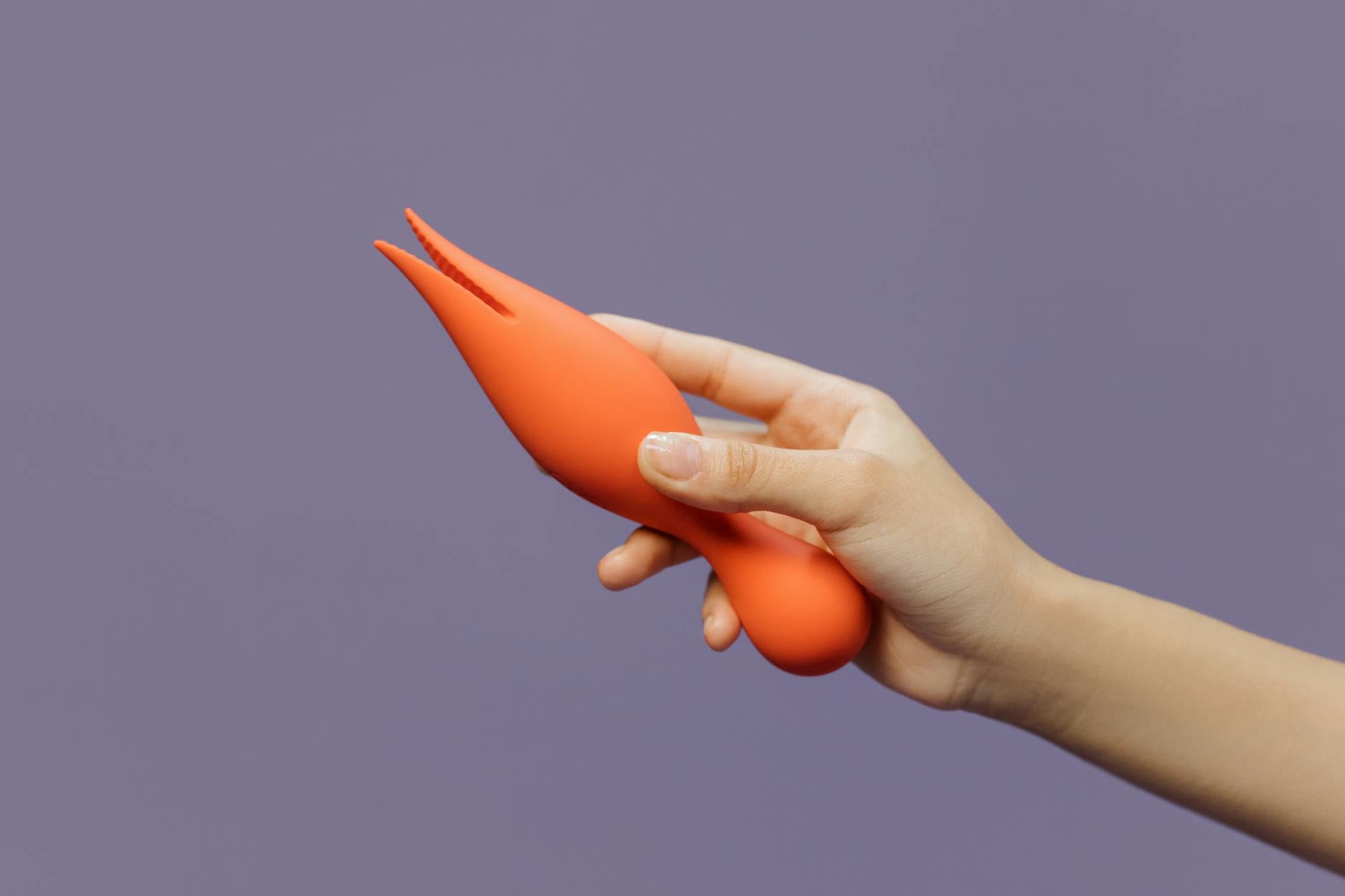
A lemon clitoral vibrator won't solve the relationship dynamics, but it does something crucial: it returns your pleasure to your own body. Solo. Intentional. Uncomplicated. And that act of reclaiming sensation often opens a door back toward couplehood in ways that forced intimacy never will.
Why partners withdraw after birth (it's not about you)
Postpartum partner avoidance has a few quiet drivers. Understanding them won't fix everything overnight, but it shifts how you hold the distance.
First, there's the "depletion phenomenon." Your partner has been in support mode for months. They've been the helper, the watcher, the one doing nighttime diaper runs while your body heals. By the time you're physically cleared for sex, they're running on empty. Desire isn't absent because they don't find you attractive. It's absent because their nervous system is fried.
Second is the body image reversal. You're learning to live in a changed body. But your partner is also adjusting to that change, and sometimes that adjustment includes discomfort, confusion, or shame about finding the change erotic. Some partners have intrusive thoughts about "Mom body" that make them feel guilty when they're aroused. Others are terrified of causing pain or of initiating something that might be unwelcome.
Third is the logistical reality. A baby is the ultimate intimacy killer, not because of judgment but because spontaneity is dead. Sex requires planning, a quiet room, and mental space. For someone already exhausted, planning feels like work.
None of this means your partner doesn't love you. It means you both need a different approach.
Start with solo pleasure, not couple's therapy
The instinct is usually to fix it together. Have the talk. Read the book. Book the couples counselor. Those things may be necessary, but they often come too late, after resentment has calcified.
Instead, reclaim your own pleasure first. This sounds counterintuitive when what you want is to feel wanted by your partner. But here's what actually happens: when you return to your body with a lemon sucker or a lemon clitoral vibrator, you remember that pleasure isn't contingent on anyone else's readiness. You rebuild the neural pathways for arousal. You remind yourself that you're still sexual, still desirable, still capable of intense sensation.
That shift in your own confidence often reads as permission to your partner. If you're not waiting for them to want you, they have room to want you without feeling like the villain of the story.
Solo sex with a lem vibrator isn't a substitute for partnered intimacy. It's the prerequisite for asking for it without desperation underneath.
How to actually use a lemon vibrator in this specific phase
Three practical shifts for postpartum bodies when your partner is checked out.
First, schedule it like you'd schedule a nap. Your nervous system needs predictability right now. Pick a time when you know the baby is asleep for at least 30 minutes. Block it on your phone if you need to. The point isn't rigidity, it's permission. You're telling your brain this time belongs to you.
Second, start at pattern two or three. Postpartum bodies often have heightened sensitivity, and exhaustion makes it easy to overstimulate. The lemon clitoral vibrator's gentler suction patterns are perfect here. You're not chasing a big finish. You're reacquainting yourself with sensation without pressure.
Third, don't aim for orgasm. I know that sounds backward, but postpartum orgasm anxiety is real. Your body has done something massive. Orgasm might feel electric, or it might feel muted, or it might not come at all. The goal is presence, not outcome. Spend 10 minutes touching yourself without the vibrator. Then introduce the lemon vibrator at low intensity. Notice what feels good. That's the win.
When to bring it into the room with your partner
Here's where most guides get vague. I'll be specific.
Don't introduce the vibrator as a solution to the intimacy problem. Don't say "Maybe we could try this together" when what you really mean is "I'm frustrated you won't touch me." That's using the toy as a weapon, not a bridge.
Instead, wait until you've reclaimed your own pleasure solo for a few weeks. Then, one evening when you're actually physically together, use it while they're present. Not for their entertainment. Not to convince them to have sex with you. Just because you want to. You're reading a book on the couch, they're on their phone, and you put in an earbud, shift your underwear aside, and bring the lemon vibrator to yourself for five minutes.
That vulnerability, that matter-of-factness, often breaks the paralysis. You're not asking for anything. You're just existing in your sexuality in front of them. Sometimes that's enough to remind them they want to be part of it.
If they're uncomfortable, that's information worth having. But odds are, they'll sit for a moment with what they're witnessing. Your pleasure existing independently. Your body reclaiming itself. That's different than asking them to provide pleasure they don't feel ready to give.
The hard conversations are still necessary
A lemon clitoral vibrator is not a substitute for addressing why your partner is withdrawn. It's a tool for you to heal while they figure out their part.
At some point, you'll need to ask directly: What's happening? Is it exhaustion? Fear? Changed attraction? Something about becoming a parent that's shifted how they see you? Are they struggling with their own body image or sexual confidence?
Those conversations are uncomfortable. They require vulnerability and risk. But they're the only thing that actually restores intimacy. The vibrator just keeps you sane while it's happening.
When solo pleasure becomes enough
Honestly, sometimes it does. You'll start using a lemon vibrator regularly. You'll remember what your arousal feels like. You'll have orgasms that don't depend on anyone else being ready. And you'll realize you're actually okay on your own.
That's not failure. That's clarity. Some couples rebuild from that place. Others decide they want different things and part ways. Both are valid. But at least the decision comes from a place of knowing what you want, not from desperation or depletion.
Your body deserves to feel good. That's not a negotiation. That's a fact. How that pleasure connects to your partner is a separate conversation.
FAQ: Postpartum avoidance and solo pleasure
How long after birth is it safe to use a clitoral vibrator?
Most practitioners clear you for penetrative sex at six weeks. You can typically use external vibration like a lemon clitoral vibrator earlier, but check with your provider, especially if you had significant tearing or a C-section. Your body will also tell you. If it feels uncomfortable, stop. There's no rush.
Can using a lemon vibrator make my partner more attracted to me?
Not directly. What it can do is shift your own energy. When you stop waiting for your partner to validate your sexuality, you become more confident. Sometimes that confidence is genuinely attractive. But if your partner is withdrawn for deeper reasons, a vibrator won't fix those. You'll both still need to talk.
My partner asked where the lemon sucker came from. Should I tell them the truth?
Yes. Honesty is actually the exit from the avoidance cycle. "I bought it because I needed to feel something again, and you weren't ready." Direct. No blame. It opens the door for them to explain what's actually happening on their end.
Is it selfish to prioritize solo pleasure when my partner is struggling?
No. You can't pour from an empty cup. Your partner's exhaustion is real. Your need to feel alive in your body is also real. These things coexist. Taking care of yourself isn't punishment. It's the foundation for actually showing up together later.
What if my partner feels threatened by my vibrator?
That's worth exploring together. Sometimes threat comes from insecurity about performance. Sometimes it's about control. Sometimes it's confusion about what a vibrator actually is for. The conversation might be awkward, but it's necessary. "I'm not replacing you. I'm taking care of myself." If they can't make space for that, that's important information about the relationship.
How do I know if postpartum avoidance is temporary or a sign of a bigger problem?
Give it time, but not forever. Three to six months of gradual reconnection is normal. After a year, if nothing has shifted and your partner is still actively avoiding intimacy, that's worth addressing with a couples therapist. Some postpartum depression or anxiety also causes partner withdrawal. If your partner is struggling emotionally, that needs professional attention too.
You deserve to feel good
Postpartum is a marathon of depletion. Your partner is depleted. You're depleted. The baby is doing their thing. In that context, reclaiming your own pleasure isn't selfish. It's the most sane thing you can do. A lemon clitoral vibrator is a small tool that reminds you: your sexuality belongs to you. Your body's capacity for pleasure isn't dependent on anyone else's readiness.
Use it. Come home to yourself. And then, from that grounded place, decide what you actually want from your partner and your relationship. That's where real reconnection begins.