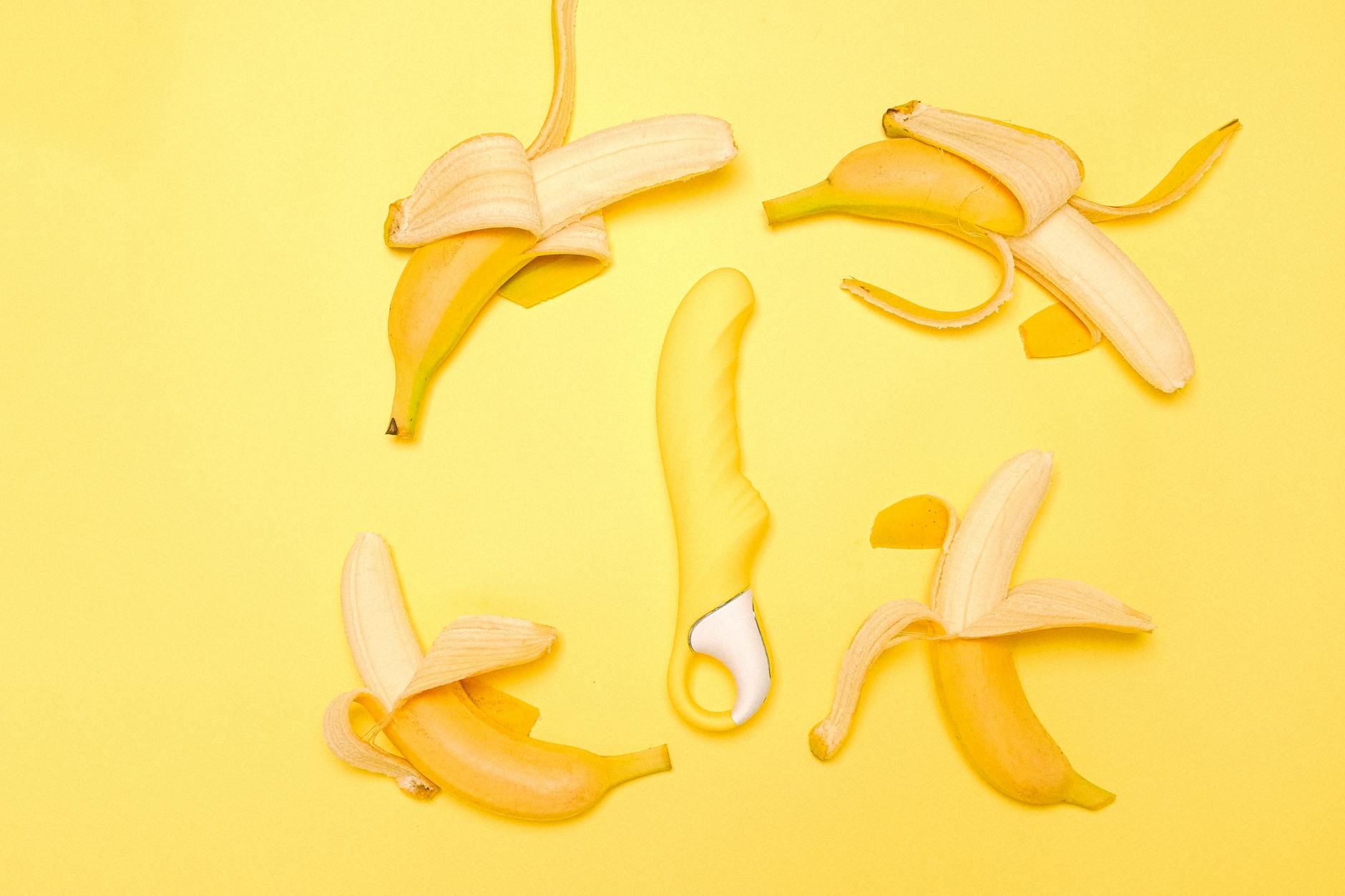
Let's talk about what nobody tells you about perimenopause
Perimenopause is that long, weird season before your period actually stops. For some people it lasts five years. For others it's closer to ten. Your hormones are doing a chaotic dance, your cycle gets unpredictable, and somewhere in the middle of all that, your clitoris might start to feel different. Not broken. Not gone. Just... different.
Most of what you've read about menopause and pleasure focuses on what happens after your period stops. But perimenopause is its own thing entirely, and it deserves its own conversation.
What's actually happening to your sensation
Your body is producing less estrogen, but not consistently. Some days your hormones surge. Other days they plummet. This fluctuation affects blood flow to the clitoris, the sensitivity of nerve endings, and how quickly arousal builds. The tissue around your vulva starts to thin slightly. Lubrication might become less automatic. And for a lot of people, the clitoris becomes either more reactive to stimulation or oddly muted, sometimes both in the same week.
Here's what changes and what doesn't. Testosterone is dropping, which can soften desire. But the clitoral nerve structures themselves aren't going anywhere. Your brain's capacity for pleasure hasn't diminished. You haven't lost the ability to orgasm. What's actually shifting is the pathway to get there.
Most people in perimenopause describe it like this: "It used to be automatic. Now I have to work for it." That's the honest middle ground between "everything still works fine" and "everything is broken."
Why a lemon clitoral vibrator works differently during this phase
Traditional vibrators rely on speed and penetrative buzz. A lemon clitoral vibrator uses suction and pulsing stimulation instead. Here's why that matters when your hormones are fluctuating.
With less consistent blood flow to the clitoris, a suction-based tool like a lem vibrator creates its own pressure gradient. It draws blood into the tissue, which increases sensitivity without requiring the direct, intense friction that can feel overwhelming or even numbing on some days. The pulsing patterns give you control over intensity in a way that feels more nuanced than a traditional vibrator's speed settings.
Because perimenopause sensation is so variable, you need a tool that lets you adjust mid-session. A lemon vibrator's adjustable patterns mean you can start gentle and build, or dial back if something feels too intense. That adaptability is huge when your body's response isn't predictable week to week.
How to actually use a lemon vibrator during perimenopause
Start with intention, not speed. Many people dive straight to a strong setting because that's what they're used to. During perimenopause, begin at pattern one or two. Your tissue might surprise you with how responsive it becomes once you're a few minutes in. You can always turn it up.
Build your warm-up time. Arousal in perimenopause takes longer to arrive than it did in your twenties. Budget fifteen to twenty minutes before you expect intense sensation. That's not a flaw. That's just how bodies work during hormonal transition. Use this time to explore what feels good that day, not what felt good last month.
Pay attention to where you are in your cycle. If you're still cycling regularly, notice when sensation feels most available. Right after your period, when estrogen starts rising, many people report sharper sensitivity. Mid-cycle brings a surge. The week before your period, sensation might feel more muted. This isn't destiny. It's information. Use it to schedule solo or partnered time when your body's naturally more responsive.
Experiment with positioning. The angle at which you apply suction changes the sensation completely. Direct suction on the clitoral head feels intense. Slightly off-center or pulling the hood back first feels different. Horizontal, vertical, circular motions all create different effects. A lemon vibrator's broad head gives you real estate to explore.
Use water-based lube, always. As estrogen drops, your natural lubrication becomes less generous, even if you're aroused. That's not optional anymore. It's part of the setup. A good lube makes the suction sensation smoother and keeps tissue healthy.
When perimenopause sensation feels completely blocked
Some days during perimenopause, especially during the heavy hormone-drop weeks, your clitoris might feel almost numb. A lemon vibrator can help, but sometimes you need to adjust your expectations for that session. Numbness during perimenopause is often a temporary hormonal dip, not a permanent shift.
On those days, many people find that lower patterns on a lem vibrator, paired with longer warm-up time, eventually coax sensation back. The suction brings blood flow in a gentler way than a traditional vibrator can. But if nothing's working, that's information too. Your body might be telling you that today isn't a day for intense sensation, and that's completely fine.
Some partners ask whether they should "help" by providing stimulation at the same time as a lemon vibrator. The answer is individual. Some people find dual stimulation brilliant during perimenopause because it compensates for the reduced sensation on any single area. Others find it overwhelming when their nerves are already unpredictable. Ask yourself and your partner, then try it.
The emotional piece that changes everything
Perimenopause lands alongside other midlife transitions. Your career might be shifting. Your kids might be leaving home. Your relationship might feel different. Hormones are one part of the puzzle. The other part is attention and permission.
Many people in perimenopause report that pleasure becomes richer when they stop fighting the changes and start exploring them with curiosity instead of frustration. The physical sensation and the mental space matter equally here. If you approach your clitoris with dread, expecting it to feel numb, your nervous system picks up on that. If you approach with actual interest in what's different, something shifts.
This is where partnered conversation gets real. If you're with someone, saying "My pleasure is changing and I want to explore it together" is completely different from "My pleasure is broken, fix it." The first opens doors. The second shuts them.
When to check in with a doctor
Most sensation changes during perimenopause are normal hormonal rhythm. But some things warrant a conversation with a gynecologist or menopause specialist. If you're experiencing pain during any kind of stimulation, don't wait. If sensation has completely vanished and isn't returning across multiple cycles, that's worth discussing. If you're having mood shifts that are affecting your desire, that might point to something treatable.
Genitourinary syndrome of menopause (GSM), which involves tissue thinning and decreased lubrication, is real and very treatable with topical estrogen creams or other interventions. A good doctor can tell you whether that's what's happening and what your options are.
Using a lemon vibrator with a partner during perimenopause
If you're in a relationship, perimenopause is when "we" becomes more important than solo exploration. Your partner might notice the changes too. They might feel hurt if they misread the shift as lack of desire. They might think they're doing something wrong.
Honesty helps. "My body is responding differently because hormones are shifting" is a complete statement. It doesn't require them to fix anything. It just requires them to understand. A lemon clitoral vibrator used together can actually bring you closer because it's collaborative exploration, not something one person is doing to another.
Many couples find that perimenopause becomes a turning point toward more intentional, longer sessions. The slower pace can feel more connected. The exploration together can feel new.
The long view
Perimenopause isn't the beginning of the end of pleasure. It's a recalibration. You're learning your body again. You're learning what works during this phase. You're learning how to build anticipation and explore sensation with more patience and less expectation.
A lemon vibrator during perimenopause isn't a workaround. It's a tool that actually matches what your body needs right now. The suction-based stimulation, the adjustable patterns, the ability to explore different positions and intensities. These aren't compromises. They're possibilities.
Your pleasure matters. The physical sensation matters. The mental permission matters. All three of these shift during perimenopause. The good news is none of them vanish. They just need different approaches.
If you're navigating this phase and feeling lost about what your body wants, start with our guide to using a lemon vibrator when sensation changes during hormonal fluctuations. Or reach out. Your experience is real, and it deserves real conversation, not reassurance that everything's fine when it clearly isn't.
FAQ: Perimenopause and lemon vibrators
Can I use a lemon vibrator if my periods haven't stopped yet?
Completely. A lemon clitoral vibrator works during any hormonal phase. The suction-based stimulation actually adapts well to the shifting sensations of perimenopause. Some people find they get more consistent pleasure with a lem vibrator during perimenopause than they did with traditional vibrators, specifically because they can control intensity and adjust as their body's responsiveness changes.
Will using a lemon vibrator make perimenopause symptoms worse?
No. Sexual stimulation actually increases blood flow and can temporarily ease some physical symptoms of perimenopause. It won't worsen hot flashes, mood shifts, or other hormonal changes. In fact, many people find that regular sexual pleasure helps their nervous system feel more regulated during this chaotic phase.
Is it normal for a lemon vibrator to feel too intense during perimenopause?
Yes. During certain weeks of perimenopause when hormones dip, your clitoris can become hypersensitive. If the lem vibrator feels too strong, try lower patterns or shorter bursts. You can also use it indirectly by applying it through the hood of skin covering the clitoris rather than directly on the glans. This softens the sensation while still giving you all the benefits of the suction.
How long does it take to feel good again when using a lemon vibrator during perimenopause?
It varies wildly week to week. Some days you'll feel responsive within five minutes. Other days it might take twenty. The shift during perimenopause isn't permanent, but it is cyclical. Tracking what works in each phase helps you build anticipation and patience instead of frustration.
Should I use a lemon vibrator solo or with my partner during perimenopause?
Both have different value. Solo exploration helps you understand your changing body without pressure. Partnered use keeps intimacy connected and lets your partner learn what's shifting. Many people benefit from both. If you're in a relationship, consider starting solo so you have your own map before you invite your partner to explore together.
Can a lemon vibrator help if my perimenopause has killed my libido?
A lem vibrator is a tool, not a libido miracle. But physical pleasure can help rebuild desire. Sometimes the simplest path is to reconnect your body with sensation, which can lower anxiety and remind your nervous system that pleasure is still available. If libido has completely flatlined, that might point to something beyond perimenopause that's worth discussing with a doctor.
What comes next
Perimenopause is long. You deserve tools and information that match the actual complexity of this phase. A lemon vibrator is one of them. Understanding what's changing and what's staying the same is another. And permission to explore pleasure with curiosity instead of frustration is the third.
If you're looking for more specific guidance based on your situation, our resources on using a lemon vibrator with reduced clitoral sensitivity and how sensation changes during hormonal fluctuations dive deeper into what works when things feel blocked or muted.
You can also reach out to us directly with questions about what tool might work best for your body right now. Your experience matters. Your pleasure matters. And perimenopause is not the beginning of the end of either one.