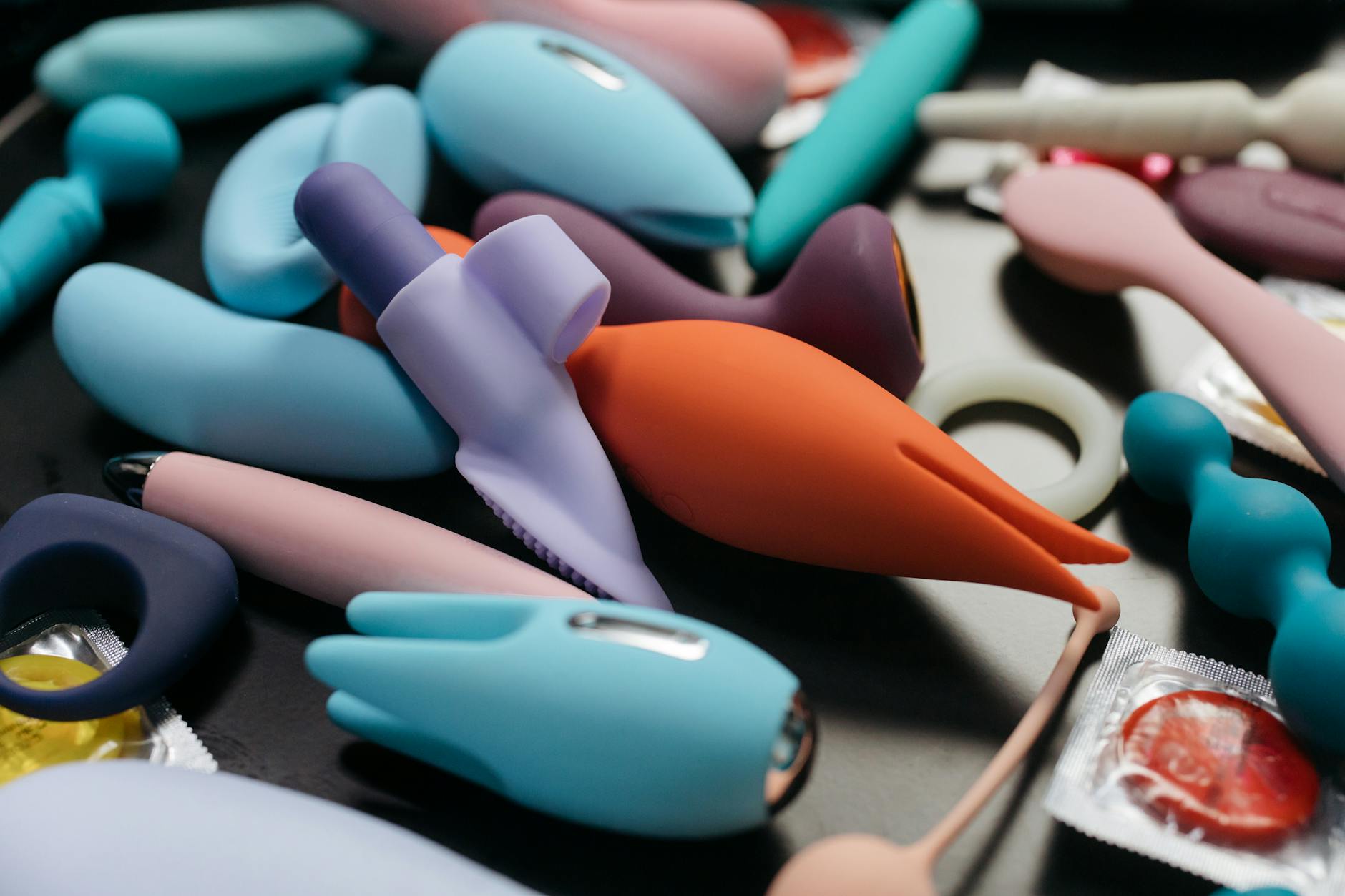
Here's what no one tells you about hormonal breast tenderness
Your cycle (or lack thereof) doesn't just affect desire. It also hijacks sensation in places you didn't expect. Breast tenderness during hormonal shifts is real, common, and deeply unsexy. What's worse: it shows up right when you might actually want to have pleasure. And suddenly you're navigating around pain to access what's supposed to feel good.
The good news is that clitoral stimulation doesn't require chest contact. A lemon vibrator works on the anatomy that matters, and it's completely possible to have meaningful orgasms even when touch anywhere near your breasts feels intolerable.
Why hormonal shifts trigger breast pain in the first place
Estrogen and progesterone fluctuate throughout your cycle (or during perimenopause, or on hormonal birth control). These hormones don't just regulate fertility. They also change water retention, breast tissue density, and nerve sensitivity in the breast itself. The result is cyclical breast tenderness. Some cycles it's mild. Some months it feels like someone punched you.
This pain isn't in your head. Hormonal breast tenderness activates the same pain receptors as any other physical injury. Your nervous system isn't distinguishing between "this is normal" and "something is wrong." It just registers: touch equals pain.
The psychological impact is what people miss. Breast pain during arousal creates a conflict. Pleasure is happening below the neck, but pain is happening above it. Your brain struggles to hold both at once. Many people give up entirely rather than navigate the contradiction.
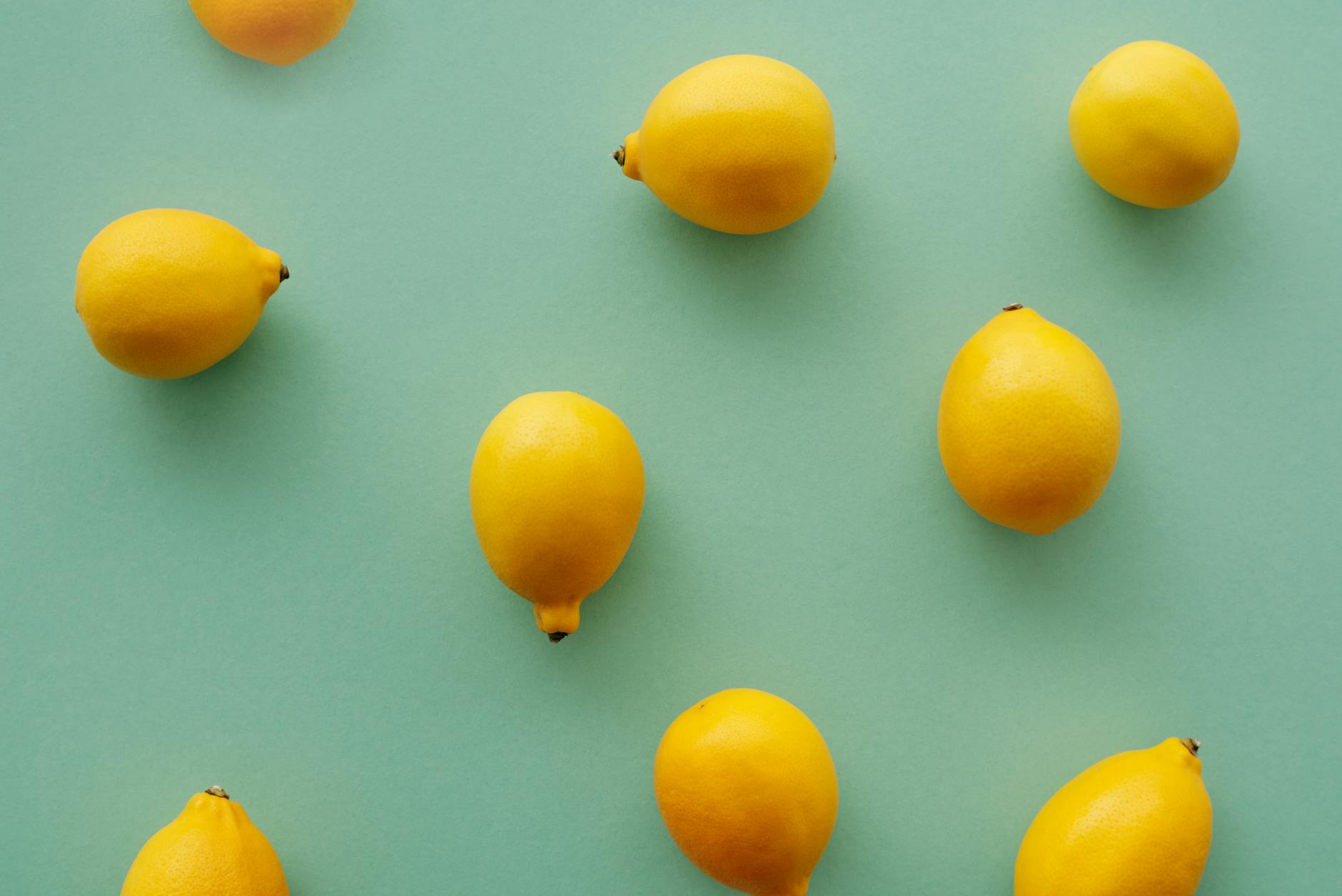
Photo by Vanessa Loring on Pexels
The physical setup that keeps your breasts untouched
This is simple but crucial: position matters more than you think. If you typically stimulate yourself lying on your back, try shifting to sitting up against a pillow, or lying on your side. The angle changes what touches what. Your breasts hang differently. Clothing stays in place without pressing.
If you use a partner, communication is key. You're not rejecting their touch entirely. You're redirecting it. "I want clitoral play right now, and I need my chest completely off limits" is a full, valid sentence. A partner who understands this isn't a rejection of them. It's logistics.
Consider a loose sports bra or nothing at all, depending on your situation. Bras create pressure and lift tissue in ways that can make tenderness worse. Sometimes removing that constraint alone changes the whole experience.
How to use a lemon clitoral vibrator when breasts are tender
The lemon vibrator and similar clitoral suction toys are perfectly suited for this situation because they demand almost no other touch. You're focusing intense sensation in one small area. Your hands stay low. Your partner's attention (if they're involved) stays below the ribs.
Start with the lowest intensity. Breast tenderness often makes your whole nervous system more reactive, so you might be more sensitive to vibration too. Patterns 1 or 2 on a lemon vibrator usually work better than jumping to intensity 5. You can always turn it up. You can't take back a jolt that made you flinch.
Use plenty of lubrication. Hormonal shifts that cause breast tenderness often affect vaginal lubrication too. The two usually happen together. Water-based lube isn't a sign something's broken. It's just logistics. Apply generously before you start.
Focus your breathing and attention below the waist. This sounds obvious but it matters psychologically. When you're expecting pain, your attention drifts to the pain zone. Consciously directing focus to sensation where it actually feels good quiets the anticipation of breast discomfort. Some people find that narrating internally ("I feel the pressure here, the rhythm there") helps keep awareness grounded in pleasure rather than pain.
When to involve a partner and when to go solo
Solo play might feel easier during hormone-driven breast tenderness. You control every touch. There's no negotiating around someone else's instinct to caress your chest or kiss your neck. You can keep your hands exactly where they need to be. That simplicity can be freeing.
If you have a partner, you have options. Some couples find that partnered clitoral play during tender phases deepens other parts of intimacy. Your partner can focus entirely on what brings you pleasure without worrying about the usual choreography. It's weirdly clarifying.
What doesn't work is ignoring the pain and hoping you'll get into it anyway. Pain during pleasure creates a nervous system conflict that usually kills arousal. You end up frustrated, they end up confused, and no one gets what they wanted. Better to name it and adapt.
Timing and tracking
If your breast tenderness follows a pattern (mid-cycle ovulation surge, or the week before your period, or consistently on hormonal birth control), track it. Not in an obsessive way. Just note when the tenderness shows up and plan accordingly. You might find that pleasurable touch is actually better at other times in your cycle.
This takes the shame out of fluctuation. Your body isn't being difficult. It's being cyclical. You can work with cycles. You can plan touch and play in windows when sensation feels good. That's not settling. That's actually respecting how your body works.
For people navigating perimenopause or on hormonal medications, tenderness might feel random. In that case, checking in at the start of partnered play ("Today my chest is off limits") becomes a simple conversation opener rather than an awkward surprise mid-session.
Pain that's about more than hormones
Let's be clear: not all breast pain during sex is hormonal. If tenderness feels sharp, localized, or accompanied by discharge, swelling, or warmth, see a doctor. Mastitis, cysts, or other breast issues need medical attention, not a workaround.
Also, some people experience pain during arousal because of how they're touching themselves or being touched. Cupping or squeezing creates pressure that can intensify hormonal tenderness. If you usually like firm breast play, hormonal shifts are a good time to pause that entirely and return to it later in your cycle.
The pleasure part (which is the whole point)
Here's what I see in practice: people often assume that if one part of their body is off limits, the whole experience is compromised. It's not. Clitoral pleasure can be absolutely intense and complete without any breast involvement whatsoever. A lemon vibrator and focus is often all you need.
Manypeople actually report better orgasms when they're not managing pain. Your nervous system doesn't have to divide attention. The pleasure is singular and clean. You might find that hormone-driven breast tenderness inadvertently teaches you something about what your body actually prioritizes for pleasure.
Use a lemon clitoral vibrator during these phases. Let yourself enjoy what feels good. Let the other parts rest.
People also ask
Can I still have orgasms when my breasts are too tender to touch?
Absolutely. Clitoral orgasms don't require breast stimulation. In fact, many people find clitoral-focused play more direct and intense than any other kind. A lemon vibrator takes you straight to what matters. You're not losing anything by skipping chest contact during tender phases. You're just reordering the menu.
Should I be worried if breast tenderness gets worse during sex?
Not necessarily. Increased blood flow to the chest during arousal can amplify existing tenderness. This is temporary and usually fades after sex. What you should watch for is pain that's new, doesn't align with your normal cycle, or feels sharp and localized. That warrants a conversation with your doctor. But cyclical tenderness that flares during hormone peaks is normal and manageable.
Does using a lemon vibrator more often reduce breast tenderness over time?
Not directly. Vibrator use doesn't change your hormonal cycle or reduce cyclical tenderness. What it does do is give you consistent access to pleasure regardless of where you are in your cycle. That's the actual win. You build a practice that works around your body's reality rather than waiting for tenderness to disappear.
What if my partner wants to touch my chest and I don't want them to?
Tell them clearly before you start. "I'm tender right now. Let's focus on clitoral play." A responsive partner will thank you for the clarity. You're not rejecting them. You're actually giving them clear instructions on how to bring you pleasure. When your partner wants to be involved but isn't sure how to help, redirecting touch is a completely normal adjustment.
Are there lemon vibrators designed specifically for tender-breast situations?
Lemon vibrators and clitoral suction toys in general are ideal because they zero in on one small area and require minimal surrounding touch. Any reputable clitoral vibrator works fine. The key is intensity level and focus, not the specific toy. Start low and let yourself find what feels right.
Can hormonal birth control make breast tenderness worse during sex?
Yes. Some birth control methods (especially combined estrogen-progestin pills) can increase baseline breast tenderness. If this is affecting your sex life, it's worth discussing with your doctor. You might have options to adjust timing, switch methods, or add topical treatments. Your pleasure matters as much as contraception does, and sometimes you can optimize both.
The bottom line
Hormonal breast tenderness is a real physical phenomenon, not a sign that something's broken about your sexuality. It's a temporary shift that requires a temporary adjustment. A lemon clitoral vibrator, a conversation with your partner, and a willingness to adapt your positioning and focus are usually all you need.
Your body changes. Your pleasure practices can change too. That's not a limitation. That's actually the whole point of having good tools and good communication.