
The moment it all feels foreign
Let's be real. Sometimes your body stops feeling like yours. Maybe it's been months since you felt anything down there. Maybe you had surgery, gained weight, lost weight, survived pregnancy, or just aged into a version of yourself you didn't anticipate. The point is: you look in the mirror and there's a stranger looking back.
This is the moment most people either force themselves back into old patterns (which doesn't work) or give up entirely (also doesn't work). But there's a third path. It involves meeting your body where it actually is, not where you think it should be.
Why your body feels unfamiliar
There are about seventeen reasons your body might feel like a foreign country right now. Hormonal shifts. Medication changes. Weight fluctuation. Trauma or grief stored in your tissues. Years of disconnection from pleasure. Aging. Surgical scars. Depression. Anxiety. Sometimes it's one thing. Usually it's a combination, layered on top of each other like old paint.
The nervous system doesn't care which reason. It just knows: something is different, and it's protective now. Your body has learned to grip tighter, feel less, guard the gates.
Here's what matters for moving forward. Your capacity for pleasure is still there. The neural pathways are intact. What's changed is the signal strength, not the equipment. A good lemon clitoral vibrator, used with intention, can help rebuild that signal slowly.
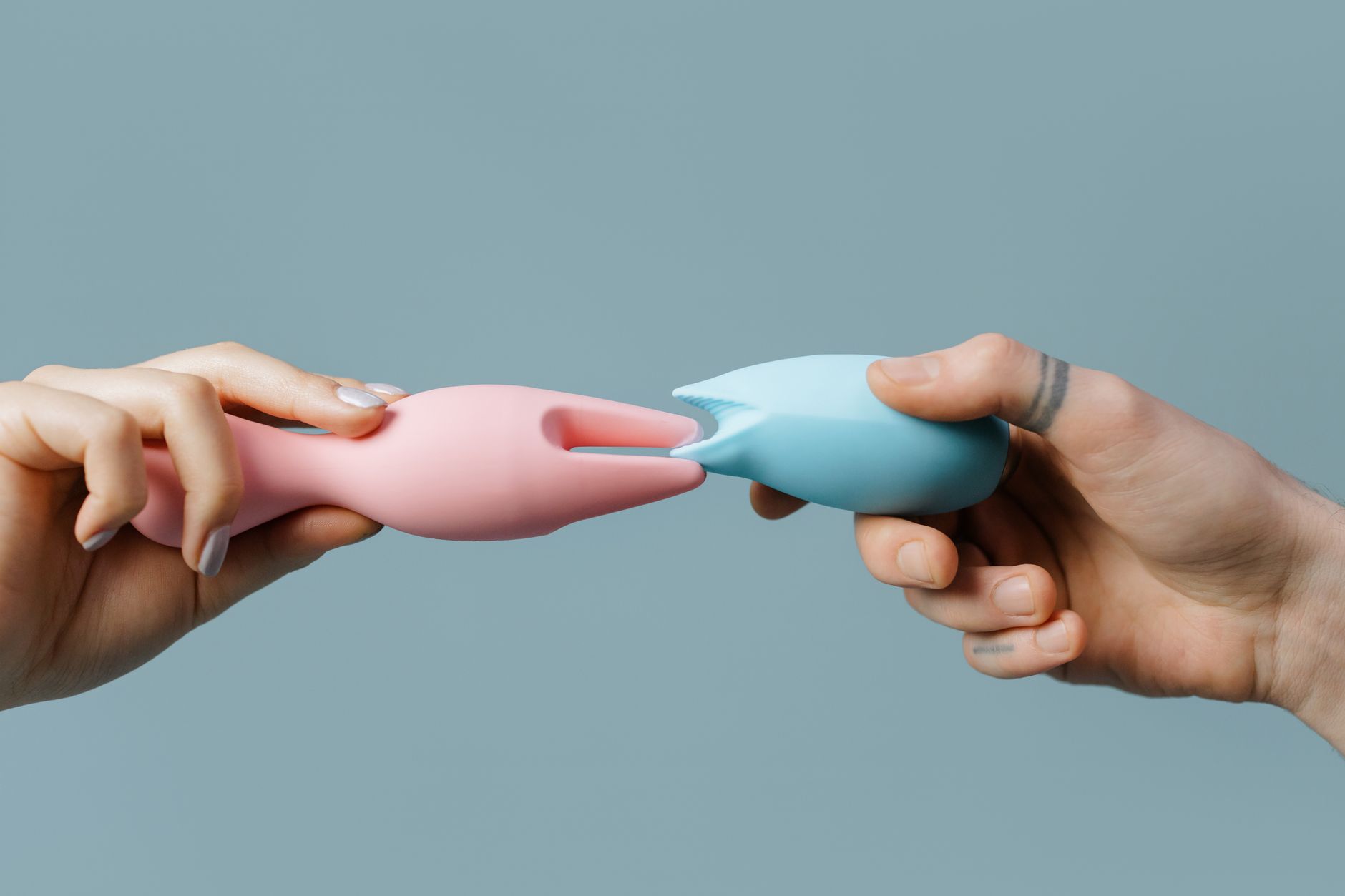
Photo by cottonbro studio on Pexels
Why air-suction works differently than you might expect
If your body feels numb or disconnected, a traditional vibrator that buzzes directly against tissue can feel too intense, too invasive, or weirdly absent all at once. Air-suction vibrators like the Lem work differently. Instead of vibration, they use gentle pulses of suction and release around the clitoris.
This matters because suction stimulates a wider nerve network. It's less about direct friction and more about creating a pressure-release rhythm that your nervous system recognizes as safe. For someone whose body feels foreign, that distinction can be the difference between "this feels like nothing" and "oh, something is actually happening here."
Start on the lowest setting. Seriously. Not because you're broken, but because your body is relearning how to respond. The Lem has several intensity levels. Begin at pattern 1. Sit with it for a few sessions. Let your nervous system adjust.
Three things to know before you start
One: You're not trying to have an orgasm. This is the biggest trap people fall into when reconnecting. You use the toy, nothing happens, you feel worse, and now pleasure is just one more thing you're bad at. Instead, you're trying to rebuild sensation and communication between your brain and your body. That's it. An orgasm would be nice but it's not the goal right now.
Two: Your mind matters more than the toy. You can have the best lemon vibrator in the world, but if you're in your head the whole time thinking "this should feel better" or "I'm broken," your nervous system will stay locked. Before you use the toy, spend two minutes getting out of your head. Notice your breath. Feel your feet on the ground. Do something grounding.
Three: This will take longer than it did before. Your body is not broken. But it's also asking you to slow down and listen, which is uncomfortable. Budget 20 to 30 minutes and treat it like an exploration, not a mission.
The actual practice
Find a private space where you can't be interrupted. Put your phone in another room. Let yourself be bored first. Lie down, breathe, notice what you feel without trying to feel anything.
When you're ready, use water-based lubricant. Even if your body used to lubricate easily, starting with external lube removes friction and lets you focus on sensation instead of logistics. Warm the vibrator in your hands for a moment. Temperature matters.
Begin at the lowest setting. Place the Lem gently against the outside of the clitoris, not directly on it. You're looking for where it feels like something, even if that something is just pressure. Stay there. Don't move. Let your body respond on its own timeline.
Your body might feel nothing for five minutes. That's okay. You're still rebuilding neural pathways. Then something might shift. A small tingling. A tiny flutter. A sensation in your thighs or lower belly that's not quite pleasure but is clearly something. That's the signal returning. Stay with it.
When nothing happens (and what that actually means)
Most people expect feeling to return immediately. When it doesn't, they conclude their body is permanently broken. This is where the narrative matters. Your body is not broken. It's protected. There's a difference.
Protection is your nervous system doing exactly what it's supposed to do. Something happened (surgery, trauma, disconnection, time, medication, weight change, aging, grief). Your body learned to contract and hold tight. That's actually smart. Now it needs permission to release.
If you've tried the Lem a few times and still feel nothing, that's information. It means your nervous system might need different support first. Movement helps. Walking, dancing, stretching. Talking to someone about what made your body feel unsafe. Sometimes you need to address the trauma or the grief before sensation returns.
For many people, clitoral sensation returns after numbness gradually, over weeks. Not all at once. Bit by bit.
When you do start to feel something
Don't immediately push toward more intensity. This is where people get impatient and accidentally shut everything down again. If you feel a small tingling at pattern 1, stay at pattern 1 for several sessions. Let your body get comfortable with sensation again.
When you move to pattern 2 (or a different pattern), do it slowly. You're teaching your nervous system that it's safe to open up. That takes time. This is one of the hardest things about reconnection. You have to move slow when you want to move fast.
Notice what you're thinking about. If your mind is racing with self-judgment, gently bring it back to sensation. "What do I actually feel right now?" Not "what should I feel" or "why isn't this working." What's actually there.
The mental piece nobody talks about
Your body feels unfamiliar because something changed, but also because you stopped paying attention to it. You stopped asking it what it needed. You stopped noticing. Reconnection isn't just about sensation returning. It's about you deciding that your pleasure matters enough to slow down for.
That's the real work. Using a lemon vibrator is the tool. But the tool only works if you're willing to change the story you're telling about your body. From "my body is broken" to "my body is teaching me something." From "I should feel better" to "I'm curious what I feel right now."
When you're rebuilding desire after hormonal changes, this mental shift is half the battle. Your body might be physically ready before your mind is.
Practical timeline expectations
Week one: You're experimenting. You might feel nothing or something small. Both are normal. Use the toy two to three times.
Week two: Your body is starting to remember that pleasure is possible. You might notice sensation in unexpected places. Your inner thighs. Your lower belly. Not the exact spot you expected, but somewhere.
Week three to four: If you've been consistent, most people report that sensation is returning to the area itself. It might not be orgasm-level yet, but it's something. You're tracking progress, not expecting a finish line.
Month two and beyond: Pleasure is rebuilding. You're using the toy because it feels good, not because you're trying to fix yourself.
These are not guarantees. Some people reconnect faster. Some take longer. Medication, trauma, ongoing stress, and relationship dynamics all affect the timeline. The point is: this is a months-long process, not a weeks-long one. Patience is the most important tool you have.
When to get support
If pain appears during use, stop and see a doctor. Pain is different from numbness. If your body feels unfamiliar and you're also struggling with anxiety or depression, talk to a therapist. Sometimes disconnection is psychological, not physical. Both need attention.
If you're partnered and your partner doesn't understand why you need this slow reconnection, that's a conversation worth having. "My body needs me to move slowly right now. This isn't about you." Most partners can understand that.
The part that changes everything
Your body isn't unfamiliar because it's broken. It's unfamiliar because it's been protecting you, or because you've been busy with literally everything else, or because time happened. Reconnection isn't about fixing it. It's about deciding that paying attention to your pleasure matters.
That decision is enough. The lemon vibrator is just the tool. You're the one doing the real work.
Frequently asked questions
How long does it typically take to feel sensation return when using a lemon vibrator?
Most people report some shift in sensation within two to four weeks of consistent use, but "sensation returning" doesn't mean orgasm. You might notice tingling, pressure, warmth, or responsiveness in surrounding areas first. Full reconnection often takes two to three months. The timeline depends heavily on why your body felt unfamiliar in the first place. Surgery recovery, medication changes, and trauma all extend the timeline. Patience matters more than speed here.
Is it normal to feel nothing when using a lemon vibrator the first few times?
Completely normal. Your nervous system is cautious. It's asking "is it safe to open up here?" Numbness or lack of sensation often means your body is protected, not broken. Many people feel nothing for the first few sessions, then something shifts. If nothing shifts after four to six weeks of consistent use, that's worth discussing with a doctor or therapist, because it might point to a physical or psychological factor that needs different support.
What's the difference between using a lemon sucker and a traditional vibrator for reconnection?
Air-suction clitoral vibrators like the Lem use pulsing suction instead of vibration. For someone whose body feels numb or disconnected, this often feels more approachable. Vibration can feel too intense or too absent. Suction creates a rhythm of pressure and release that many people find easier to sense, especially when starting from numbness. The Lem is also quieter and more discreet, which matters if privacy is an issue.
Can using a lemon vibrator help if disconnection is related to depression or anxiety?
It can help, but it's not the whole solution. Depression and anxiety often numb sensation as a protective mechanism. A lemon vibrator might help rebuild the physical signal, but you'll probably also need support addressing the depression or anxiety itself. Talk to a therapist alongside using the toy. They're not competing strategies. They work together.
What should I do if I feel more disconnected after using a lemon vibrator?
Stop and check in with yourself. Disconnection can deepen if you're using the toy while in a critical or judgmental headspace. If you're thinking "this should feel better" the whole time, your nervous system will contract further. Try again, but spend extra time getting grounded first. If disconnection keeps deepening, it might signal that your body needs a different kind of support first. A therapist who works with somatic practice or trauma can help.
Is it safe to use a lemon clitoral vibrator if I have nerve damage from surgery or medication?
Usually yes, but check with your doctor first. Nerve damage changes sensation unpredictably. Your body might not feel the vibrator safely. A doctor can tell you whether your specific nerve damage makes vibrator use safe or whether you need to wait. If it is safe, start extremely slowly. Your body is already confused about signals. Gentle introduction matters.
How do I know if my body's unfamiliar feeling is temporary or permanent?
It's almost always temporary, though "temporary" can mean months or years. Surgery, medication changes, hormonal shifts, and emotional disconnection can all make your body feel foreign. Most of these are reversible or adaptable. If you've felt disconnected for years and nothing has changed, that's worth investigating with a doctor or therapist. But even then, reconnection is usually possible. It just might require addressing what caused the disconnection in the first place.
Your body is not broken. It's asking you to slow down and listen. A lemon vibrator can be part of that conversation, but only if you're willing to approach it with curiosity instead of judgment. Start small. Be patient. Your pleasure matters. That's where reconnection begins.