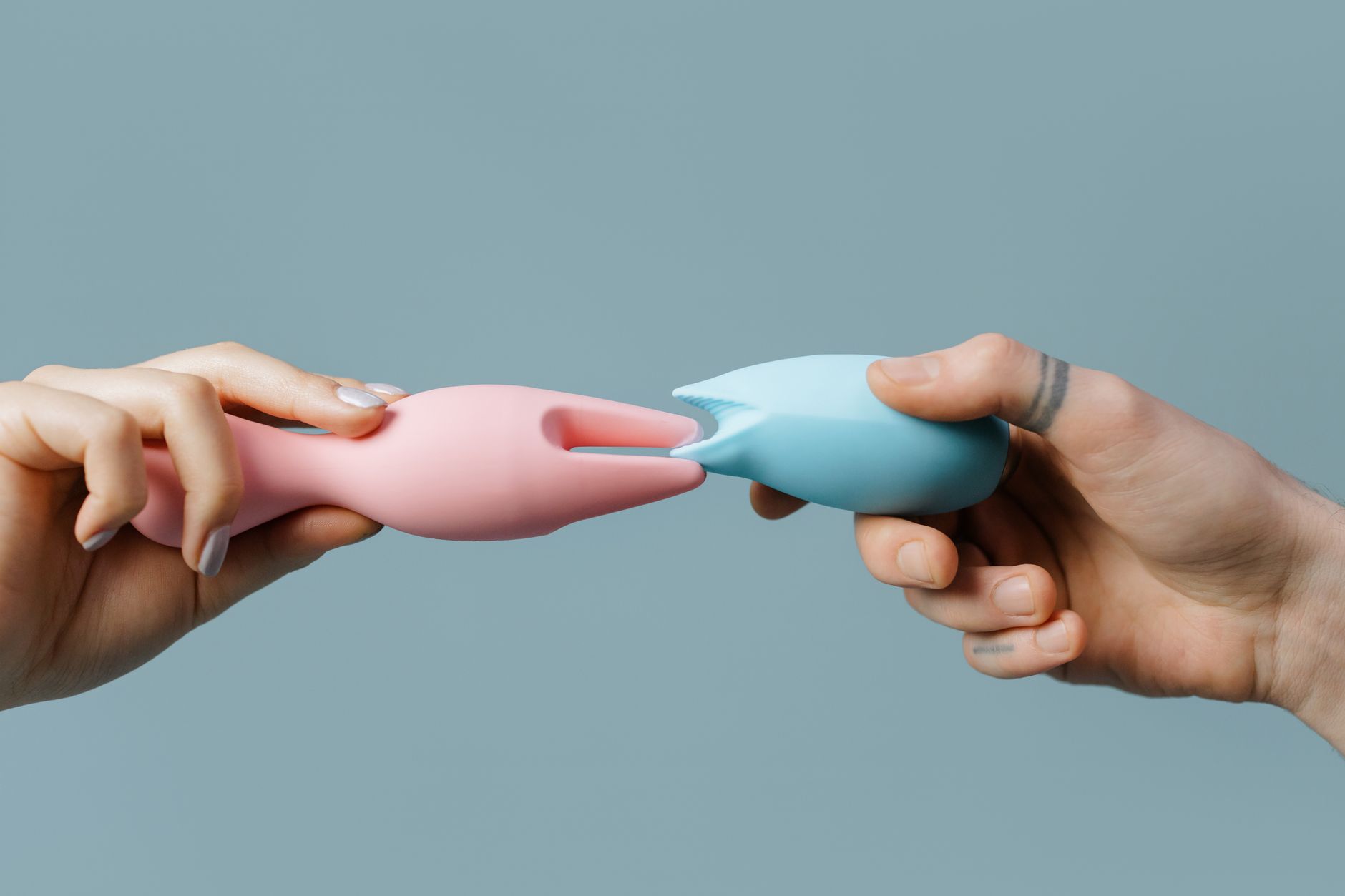
How to Use a Lemon Vibrator When Your Arousal Pattern Has Shifted With Age
Let's be real. Your body at 25 was not your body at 35, and your body at 45 is not your body now. That's not a tragedy or a decline. It's just biology doing what it does. The trouble is, most of us were taught that pleasure is a fixed thing. We think it should always feel the same way, take the same time, respond to the same touch. When it doesn't, we panic and assume something broke.
Nothing broke. Your arousal pattern simply changed.
What actually shifts as you age
Arousal isn't a single thing that either happens or doesn't. It's a cascade of physical and psychological signals. With time, several of those signals change their timing and intensity.
Nervous system response takes longer to activate. In your twenties, you might have hit arousal in two minutes flat. By your forties or fifties, it takes fifteen. This isn't dysfunction. It's just that your nervous system needs more time to downshift from daily stress into pleasure mode.
Blood flow patterns change. Your clitoris still has the same nerve density, but blood reaches it on a different timeline. Again, this means slower buildup. Not less sensation if you're patient enough to wait for it.
Psychological load increases. By midlife, most of us are carrying more cognitive weight. Partner dynamics shift. Kids, aging parents, work stress, body image thoughts, relationship history. Your brain has more tabs open. That noise crowds out arousal signals that used to cut through easily.
Hormonal fluctuations either intensify or flatten depending on where you are in your cycle. For people approaching menopause or post-menopause, estrogen and testosterone decline, which does genuinely change physical response. But again, this is adaptation, not elimination.
The lemon clitoral vibrator becomes more valuable in this context because it does the heavy lifting your nervous system now needs. Suction-based stimulation provides consistent, targeted input that your body can recognize even when your mind is elsewhere. It's less about forcing pleasure and more about creating the right conditions for arousal to surface.
Why your old quick-start method no longer works
If you used to rely on a fast buildup, you probably tried that same approach when you noticed changes and felt frustrated. You applied the same intensity for the same amount of time and got nothing. Then you blamed yourself or your body.
The math is simple. If your nervous system needs fifteen minutes to transition instead of five, adding more intensity won't shortcut the process. It will just create friction (sometimes literally) without giving your body time to catch up.
Here's what I see clinically: people double down on intensity when they should double down on duration. They reach for stronger vibration settings when they should reach for longer warm-up periods. This is backwards and exhausting.
The three-part reframe for shifting arousal
First: Separate arousal from readiness. Arousal and physical readiness are not the same. You can feel aroused but not be lubricated or ready for penetration. You can be ready but not feel much desire. With age, especially for people with hormonal shifts, this gap widens. A lemon vibrator works on the arousal side without depending on the readiness side. You can explore sensation while that other process catches up.
Second: Budget time differently. Stop thinking of foreplay as the opening act to the main event. Think of it as the whole concert. If you have a partner, this conversation happens outside the bedroom. "I need more warm-up time now" is not a setback to manage. It's a design parameter for better sex. Once you accept it, you can actually plan for it and enjoy it instead of racing against invisible clocks.
Third: Use tools that match your new timeline. A lemon vibrator isn't a replacement for finger touch or partner touch. It's a translator. It converts slower nervous system signals into consistently readable input. Pattern-based stimulation (like the suction patterns on a Lem vibrator) gives your body something to follow even when arousal is quiet.
Practical adjustments for your arousal shift
Start lower, go slower. Begin on pattern one or two, not the setting you used five years ago. Your tissue sensitivity might have changed. Your nervous system might need time to recognize pleasure signals at lower thresholds.
Build in a real warm-up. Fifteen to twenty minutes of foreplay before introducing a vibrator. This might mean touch, kissing, dirty talk with a partner, or solo exploration if you're alone. The goal is to shift your nervous system offline.
Use lube, even if you think you don't need it. This is the single biggest mistake I see. People assume they used to self-lubricate, so they should now. Lubrication often does change with age. Water-based lube doesn't mean anything's wrong. It means you're adapting.
Explore pattern mode, not just intensity. The Lem vibrator offers varied patterns. These are often more interesting to a nervous system that's rewiring than straight vibration. Pattern creates novelty, and novelty actually helps overcome arousal lag.
Create external pressure relief. If you have a partner, set one session a month where there's zero expectation of orgasm or outcome. Just sensation. This removes the goal-oriented thinking that sabotages arousal. If you're solo, same principle. Some sessions are for exploring, not achieving.
When arousal lag signals something else
Sometimes shifting arousal patterns flag relationship issues, medication side effects, or depression. A lemon vibrator can help you distinguish between these.
If you feel arousal with solo play or with a toy but not with your partner, that's information. It might point to a disconnection that needs talking through. If you feel arousal when you're rested and relaxed but not when you're stressed, that's stress management data. If certain medications coincide with arousal changes, that's your doctor's territory.
A vibrator won't solve relationship problems or medication side effects. But it will help you gather clearer data about what's actually happening in your body. That clarity matters for getting the right help.
Rebuilding confidence in your shifting body
The hardest part of arousal changes isn't physiological. It's psychological. There's a grief to it. The body you knew worked a certain way doesn't work that way anymore. That's a loss, and it's worth acknowledging.
But there's also a discovery on the other side. People who move through that grief and adapt often report that their pleasure becomes richer and more stable. They stop chasing intensity and start appreciating sensation. They stop performing and start being present. The lemon vibrator becomes a tool for that presence, not a Band-Aid for dysfunction.
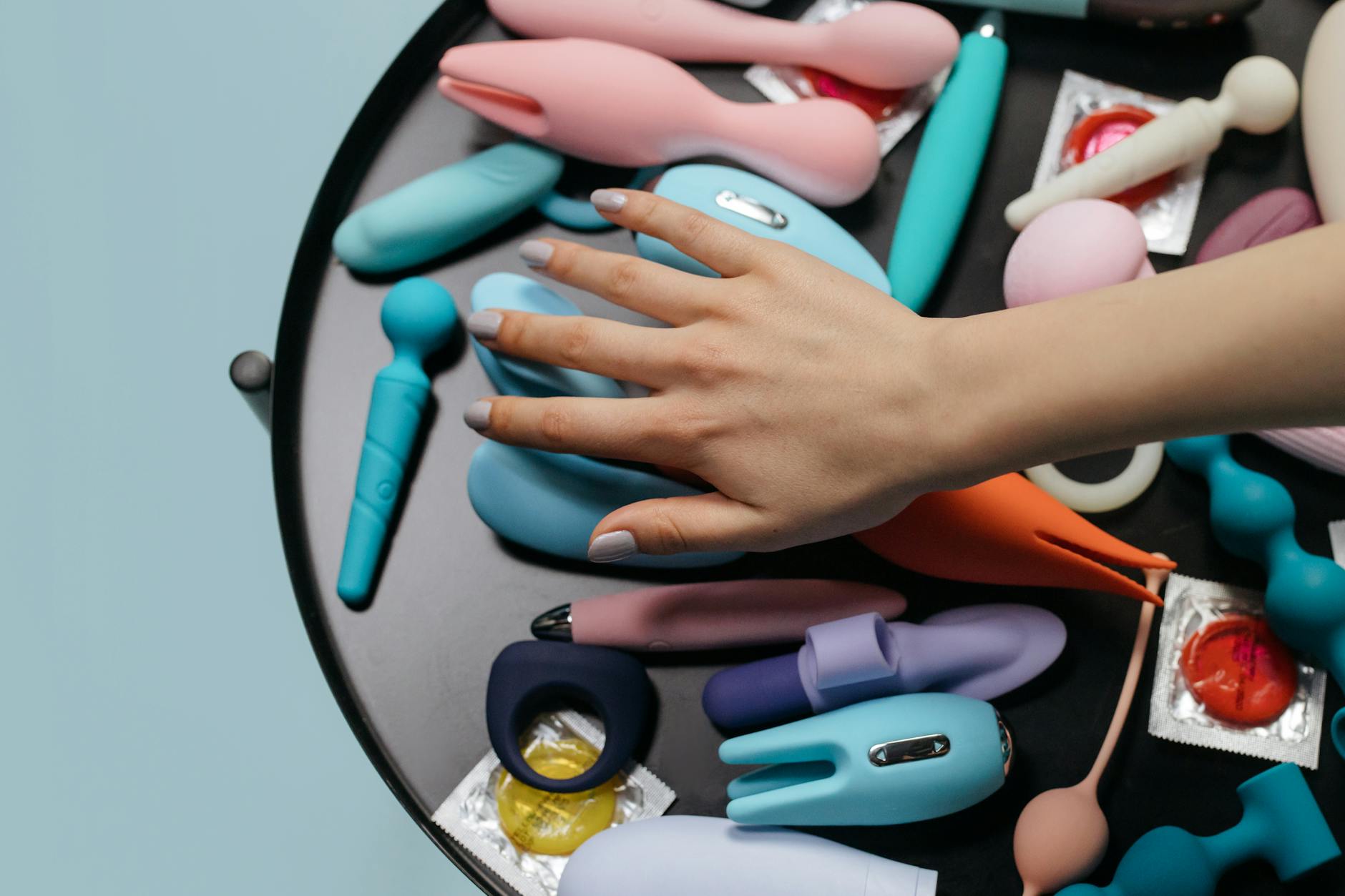
Photo by cottonbro studio on Pexels
FAQ: Arousal shifts and lemon vibrators
Does arousal change permanently after a certain age?
Yes and no. The timeline of arousal changes, but the capacity for arousal doesn't disappear. What changes is the signal path. Your nervous system takes longer to activate. Your body takes longer to ready. But these are timing shifts, not elimination. Many people find that once they adapt their approach, pleasure becomes more stable and controllable, not less available. The Lem vibrator helps you work within that new timeline instead of fighting it.
Why does my lemon clitoral vibrator work better for arousal now than manual stimulation?
Because consistent, patterned input is easier for an aging nervous system to recognize than variable touch. A partner's hand or your own fingers create unpredictable sensations. A vibrator creates a steady signal. Your nervous system can focus on that signal rather than processing variation. This is especially true when mental load is high. The vibrator becomes a grounding point for attention.
Can medication affect how my body responds to a lemon vibrator?
Absolutely. SSRIs, blood pressure medications, antihistamines, and many others can dampen arousal or delay it. A lemon vibrator can sometimes help you work through that delay, but if the medication is the culprit, the vibrator is a workaround, not a cure. If you notice arousal changes coinciding with new medication, that's a conversation for your doctor. They might adjust timing or dosage or confirm that the change is expected.
If I need more warm-up time now, does that mean penetration will feel less good?
Not necessarily. Extended warm-up actually often improves penetrative sensation because your body has time to fully arouse and relax. Rushing into penetration when arousal is incomplete creates friction and reduced pleasure. Giving yourself permission for a longer warm-up usually means better sensation overall, not worse. The Lem vibrator is especially useful for that extended warm-up because you can use it while your partner builds other kinds of intimacy.
Is it normal for my arousal pattern to shift multiple times over decades?
Completely normal. Your twenties arousal pattern won't match your forties. Your forties won't match your sixties. Each decade often brings changes in how quickly you arouse, what kinds of stimulation register, how hormones show up. This is not a one-time adaptation. It's an ongoing evolution. The good news: once you learn to track these shifts and adjust your approach, you get better at navigating them. You learn to listen to your body instead of fighting it.
Can partners feel rejected if I suddenly need different timing?
Sometimes they do, especially if it's not framed clearly. But this is a partnership conversation, not a personal failing. When arousal timing shifts, it affects both people. Having that conversation outside the bedroom, without pressure or sex on the table, matters. You're not saying "something's wrong with me." You're saying "my body is evolving and here's how we adapt together." Most partners respond better to that honesty than to silent frustration or pretending everything's the same.
The shift is not a setback
Your arousal pattern changing doesn't mean your pleasure is declining. It means your pleasure is becoming more sophisticated, more grounded, and often more reliably accessible. When you stop fighting the timeline and start working with it, when you use tools like a lemon vibrator that meet your nervous system where it actually is, pleasure doesn't disappear.
It deepens.
If you're navigating these changes and want to explore what works best for your evolving body, a conversation with a partner or a therapist can help. And if you want to start experimenting with tools that work within your new timeline, that's where a clitoral vibrator comes in.
Your body isn't broken. It's just speaking a different language now. Learn to listen.