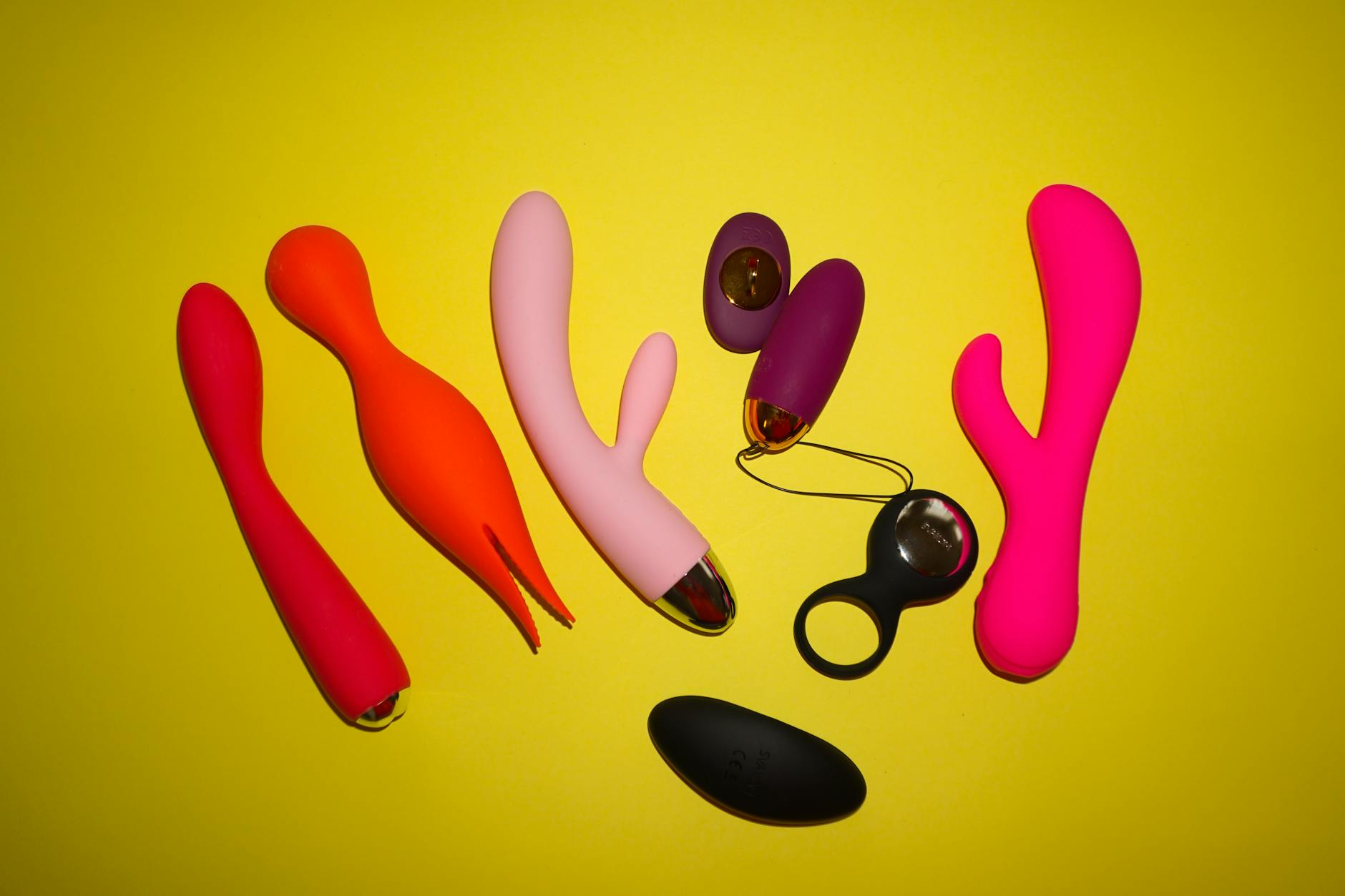
Let's be real about buying your first lemon vibrator
Walking into the world of clitoral vibrators for the first time is weirdly overwhelming. There are a hundred options, reviews that contradict each other, and everyone online seems to have a very specific reason why their lemon vibrator changed their life. None of that helps you figure out what actually works for your body.
Here's what I've learned from working with people navigating this exact moment: the "best" lemon clitoral vibrator doesn't exist. What matters is finding the right one for your body, your goals, and your expectations. That's a totally different question.
Suction versus vibration: which one am I actually buying
This is the first decision, and it changes everything. A lot of people assume all vibrators work the same way. They don't.
Vibration (the traditional buzzing sensation) feels like consistent, high-frequency stimulation. It's direct, intense, and for some people, it's exactly what they need. For others, vibration can feel overwhelming or even numb the area over time.
Suction (what a lemon vibrator does) works differently. It creates a gentle pulling sensation that stimulates the clitoral area without direct friction. Think of it as the difference between tapping someone's shoulder and gently cupping their face. The sensation is broader, less intense at first, and builds gradually. Suction works really well for people with sensitive tissue, those recovering from injury, or anyone who finds traditional vibration too harsh.
If you've never used a clitoral vibrator before and you're worried about intensity or oversensitivity, suction is usually the gentler entry point. A lemon vibrator specifically gives you suction stimulation, which is why they're so popular for first-timers.
What intensity really means (and why your first setting matters)
Intensity isn't just about how powerful the device is. It's about how it builds, where it plateaus, and whether there are adjustable settings so you can start slow and work up.
Here's what separates a good beginner lemon vibrator from a frustrating one: range. You want a device with at least 3 intensity levels. Starting at level 1 is crucial. Level 1 should feel subtle enough that you can explore without shock or discomfort. From there, you should be able to gradually increase if you want more stimulation.
A lot of people buy their first vibrator and immediately jump to the highest setting because they're curious. Then they get overwhelmed, assume they "don't like vibrators," and put it in a drawer. Start low. Give yourself 10-15 minutes at level 1 or 2. Let your body adjust. You can always turn it up.
With a lemon suction vibrator, intensity also affects how much pressure is created against your body. Lower settings create gentle suction. Higher settings create stronger, more concentrated sensation. This gradual build is why people often report that suction vibrators feel more natural and less jarring than traditional vibrators.
Patterns: do you actually need multiple patterns
Most modern lemon vibrators come with a handful of preset patterns. Some vibrate steadily. Others pulse. Some ramp up and down. The question is: do you need variety, or is steady stimulation enough.
Honestly? For your first clitoral vibrator, steady stimulation is fine. You don't need 10 patterns. What matters is that one of them works for your body.
That said, if you're someone who tends to get used to sensation quickly (or if you want flexibility as you explore), having 2-3 patterns gives you options without overwhelming choice. A steady pattern, a pulse pattern, and maybe one ramp-up pattern covers most bases.
The pattern doesn't matter if you don't like the device. Pick based on intensity, comfort, and noise level first. Patterns are a bonus, not the main event.
Comfort and design: this is more important than you think
You're going to be holding this against your body for 10-20 minutes. Ergonomics matter more than most first-time buyers expect.
Look for a lemon clitoral vibrator that feels good in your hand. If you have smaller hands, a compact design is better. If you have wrist sensitivity, you want something lightweight. The angle of the head matters too. A slight curve or point helps you target the clitoris precisely without fumbling.
Also think about how you're actually going to use this. Solo play usually means you have two hands free and can position it however you want. With a partner, you might want something they can hold comfortably too, or something you can keep positioned hands-free. These seem like small things until you're mid-session and your hand is cramping.
With a lemon vibrator specifically, the suction cup head is designed to sit directly against your body. Make sure the opening feels like a good fit. Too large and the seal breaks. Too small and it's uncomfortable. Most quality designs account for this, but checking reviews from people with similar anatomy helps.
Noise level: yes, this absolutely matters
If you're in a shared space, have roommates, or just value discretion, noise is a real factor. Some vibrators are whisper-quiet. Others sound like a dental drill.
Suction vibrators like lemon clitoral vibrators tend to be quieter than traditional vibrators because the mechanism is different. Suction creates less mechanical noise. That said, there's still variation between brands and models.
If noise is a concern for you, look for reviews that specifically mention sound level. "Quiet" is subjective, but "sounds like a small motor" or "practically silent" are clues. Test it in your hand when it arrives, if possible, before the first time you really use it.
Battery life and charging: the unglamorous but crucial stuff
How long do you want this thing to last on a charge? 30 minutes is fine for most people. An hour is comfortable. Two hours is luxury.
Think about your own patterns. If you're someone who masturbates for 20 minutes once or twice a week, 45 minutes of battery is plenty. If you're exploring for longer or using it with a partner multiple times in a session, aim for at least an hour.
Also check how it charges. USB rechargeable is standard and convenient. Some older models use replaceable batteries (less convenient, more hassle). Most modern lemon vibrators are rechargeable, which is great because it means no batteries lying around and no hunting for AA's at midnight.
One more thing: check the charging cable. Is it a proprietary connector or standard USB-C? Standard is better because you can use any cable. Proprietary means you need to remember to charge the exact right way.
Size and portability: bigger doesn't mean better
Full-size vibrators are satisfying and easy to grip. Compact ones are discrete and portable. What you want depends on your life.
If you live alone or with a partner who's enthusiastically on board, size is just about what feels good in your hand. If you travel, want to keep things subtle, or prefer not having a huge item taking up space in your nightstand, compact is your friend.
With lemon vibrators, you get both options. The standard size is palm-sized and easy to manage. Some brands also offer mini versions. The trade-off is that smaller can sometimes mean less powerful suction, though good design minimizes this.
For your first purchase, go with what you'd actually use. A beautiful full-size vibrator gathering dust is less useful than a compact one you actually take to the bedroom.
Price: what you're actually paying for
Lemon clitoral vibrators range from about $50 to $150. Here's what the price difference usually means.
Under $80: solid quality, good suction, 3-5 intensity levels, decent battery life. This is where most reliable entry-level options live.
$80-$130: premium materials, more sophisticated intensity settings, longer battery life, quieter motor, often more elegant design. You're paying for durability and refinement, not magic.
Over $130: luxury positioning, often high-end silicone or other premium materials, subscription-style features, or brand prestige. For a first-timer, this is overkill. Spend the money later if you want to upgrade.
The honest truth: a $65 quality lemon vibrator from a reputable brand will give you basically the same experience as a $120 one. You're paying for longevity, aesthetic design, and confidence in the brand after that point.
For your first lemon sexual toy, a mid-range option ($70-$90) gives you quality without overcommitting. If you love it and use it for years, you can invest in something fancier later.
What the reviews actually tell you (and what to ignore)
Reading reviews before you buy is smart. But a lot of reviews are either "life-changing" or "total disappointment" with almost nothing in between. Here's how to read them accurately.
Useful reviews mention specific things: "Quieter than my last vibrator," "Good for people with hand weakness," "Took me three sessions to get used to the sensation," "Battery lasted through two uses without recharging." These tell you real information.
Ignore: "Amazing!" "Didn't work for me" "Best thing ever!" These tell you nothing about whether it will work for your body.
Red flags: Consistent complaints about durability, battery problems, or quality issues mean something's wrong with that model. One complaint doesn't mean much. Three or four similar complaints means skip it.
Green flags: People mentioning they've used it regularly for months or years. People comparing it to other vibrators they've owned. People who mention learning curve (which is normal for anything new).
Also remember that pleasure is personal. Someone saying a vibrator "wasn't intense enough" doesn't mean it won't be right for you if you prefer gentler sensation. Use reviews to assess reliability and comfort, not to predict whether you'll like it.
The thing nobody tells you about starting with a lemon vibrator
Your first week with a new vibrator is a learning period. Your body needs time to adjust to a new sensation. You might not have an orgasm the first time. You might feel awkward or self-conscious. That's completely normal.
Give yourself grace. Give the device 3-4 sessions before deciding if it's right for you. Many people report that their experience shifts dramatically once their body settles into the sensation.
If you're using it with a partner, communication matters hugely. Talking about what you like, what feels weird, and what you want to explore next makes the whole experience less awkward and more fun.
Starting with a lemon clitoral vibrator is actually smart because suction is gentler and more forgiving for beginners. You're less likely to overstimulate yourself, and the buildup tends to feel more natural. Trust that choice.
FAQ
Is a lemon vibrator good for someone who's never used a vibrator before?
Yes. Suction vibrators like lemon clitoral vibrators are actually ideal for beginners because they create gentler, more diffuse stimulation than traditional vibrators. You're less likely to feel overwhelmed, and the sensation builds gradually. Starting with intensity level 1 and working up gives you control and comfort.
What's the difference between a lemon vibrator and a regular clitoral vibrator?
A lemon vibrator uses suction rather than vibration. Instead of buzzing directly against your body, it creates a gentle pulling sensation that's broader and typically less intense. Many people find suction more comfortable, especially if they have sensitive skin or have never used a vibrator before. It's also often quieter.
How do I know if a lemon vibrator will be too intense for me?
Most quality lemon clitoral vibrators have multiple intensity levels starting very low. Start at level 1 and give yourself 10-15 minutes to adjust. If level 1 feels uncomfortable, you can always return or exchange it. But most people find that starting at the lowest setting feels subtle and manageable. You control the intensity, not the other way around.
Can I use a lemon vibrator with a partner?
Absolutely. Some people enjoy solo play, some enjoy partnered play, and some enjoy both. A lemon vibrator works great in either context. With a partner, you can use it together, or they can use it on you. Just make sure you're both comfortable and communicating about what feels good.
How often should I use my new lemon clitoral vibrator?
There's no "right" frequency. Some people use vibrators multiple times a week. Others use them once a month. The only guideline is comfort. If something starts to feel sore or irritated, take a break for a day or two. But regular use is fine and actually normal. Pleasure is part of health.
What if a lemon vibrator doesn't work for me after I buy it?
That's okay. Not every device works for every body. Most reputable brands offer returns or exchanges if you're not satisfied. That's why buying from established companies matters. Also, remember that your first week is an adjustment period. Give it 3-4 uses before deciding it's not for you. Many people change their minds once their body gets comfortable with the sensation.
Choosing your first lemon vibrator doesn't have to be complicated. Focus on suction over vibration for gentleness, pick a device with adjustable intensity, and give yourself permission to learn as you go. Your body will tell you what it likes. Listen to that signal, and the rest will follow. If you have more questions about what might work for you, get in touch.